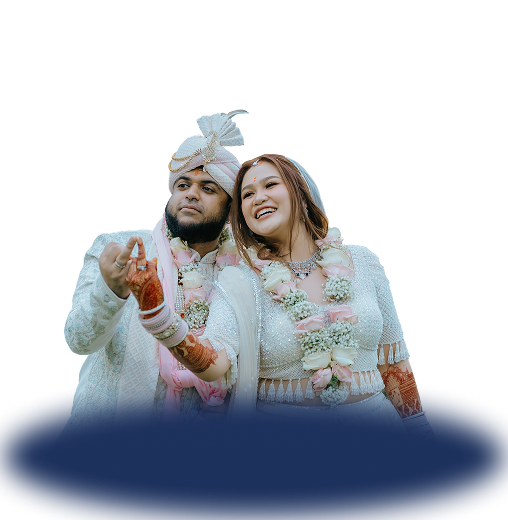
Few wedding destinations in the world offer what Bali offers to Indian couples: a landscape that feels ceremonial by nature, a hospitality culture built around care and ritual, and a creative ecosystem experienced enough to execute multi-day celebrations at the highest level. Indian weddings have grown from a niche choice into one of the most sought-after destination wedding formats globally, and the reason is not difficult to understand. The cultural elements in Indian weddings in Bali create an experience where two rich traditions come together in a setting that neither culture could reproduce on its own.
Blending Indian Traditions with Balinese Culture
The most successful cultural fusion weddings Bali has produced share a common approach. They do not flatten the differences between the two cultures. Instead, they find the places where Indian and Balinese sensibilities naturally align. Shared reverence for ceremony, the importance of family in ritual, and the use of flowers, fire, and music as sacred elements become the foundation of a celebration built around genuine cultural connection.
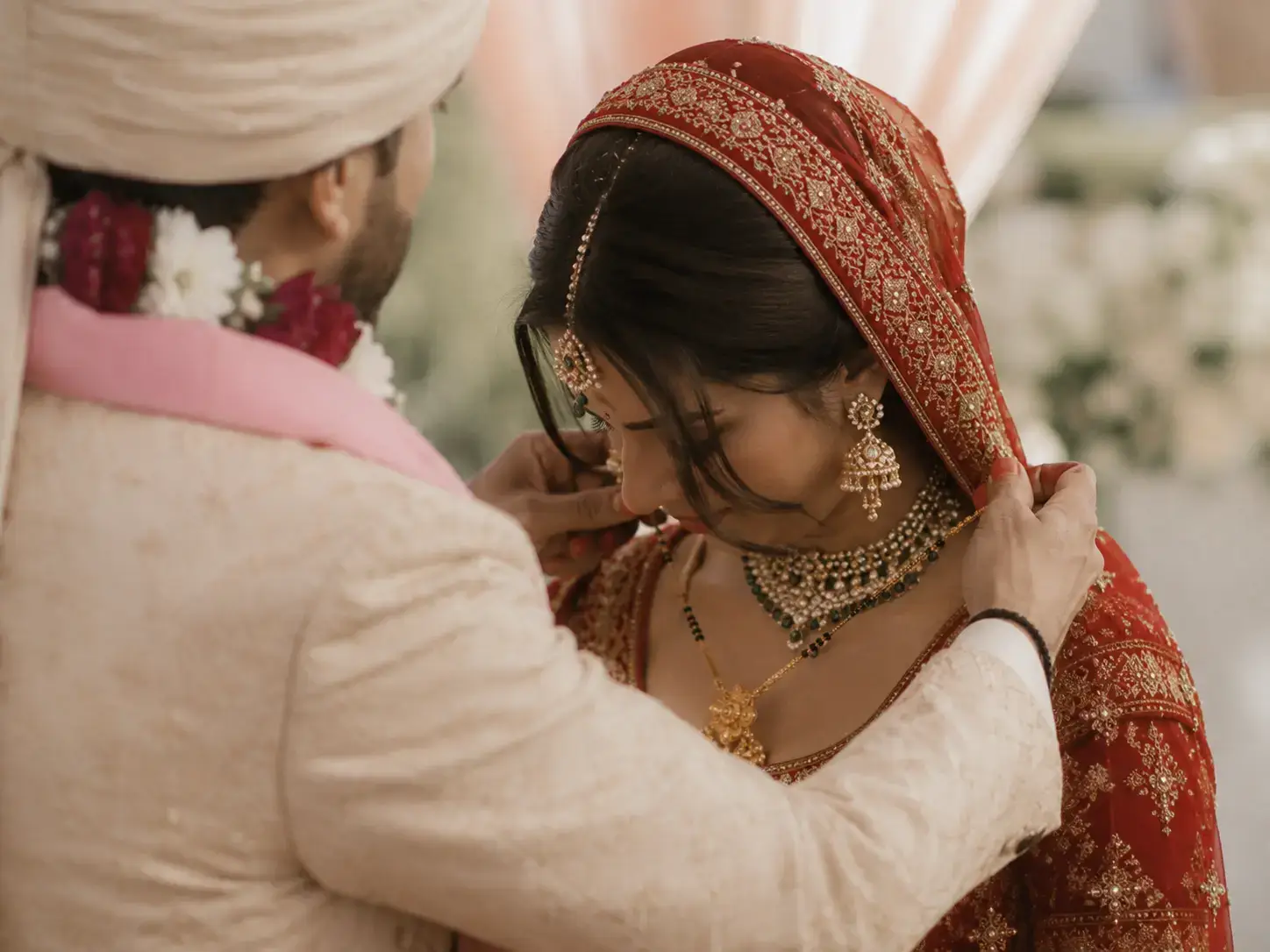
For couples navigating this process for the first time, working with a team experienced in both cultures makes an enormous practical difference. Some of the most effective integration points that couples have found across Indian weddings in Bali include:
- Venue selection: Locations that carry Balinese architectural character, such as open-air pavilions, terraced garden settings, or venues overlooking the caldera or ocean, provide a backdrop that complements an Indian ceremony without competing with it.
- Décor and ambiance: Traditional Indian florals like marigold and jasmine sit naturally alongside Balinese ceremonial offerings and woven textiles, creating tablescapes and installations that feel genuinely bicultural rather than collaged.
- Cuisine fusion: A menu that honors both traditions, featuring authentic Indian regional cooking alongside Balinese ceremonial dishes, gives guests a culinary experience that reflects the wedding’s identity.
- Attire: Incorporating Balinese fabrics or embroidery into traditional Indian wedding attire, or coordinating the bridal party with elements from both aesthetics, creates visual cohesion throughout the celebration.
- Performance arts: Kecak fire dance, Legong, and live gamelan performances woven into the program between Indian ceremonies create moments of cross-cultural appreciation that guests consistently describe as some of the most memorable parts of the celebration.
When these elements are handled with care and cultural literacy, the result is a wedding that honors both families without requiring either to compromise.
This wedding event organizer Bali guide is also a useful starting point for understanding how that expertise translates into the planning process. From there, the specific decisions about how to blend the two traditions become more intuitive. Clink the link to learn more.
Sacred Indian Wedding Rituals Bali Couples Are Embracing
Integrating traditions in Bali weddings works best when the rituals are understood rather than simply scheduled. The sacred ceremonies of an Indian wedding carry specific meaning, specific requirements, and significant emotional value. They deserve a planning team and a venue that approach them with the same level of respect.
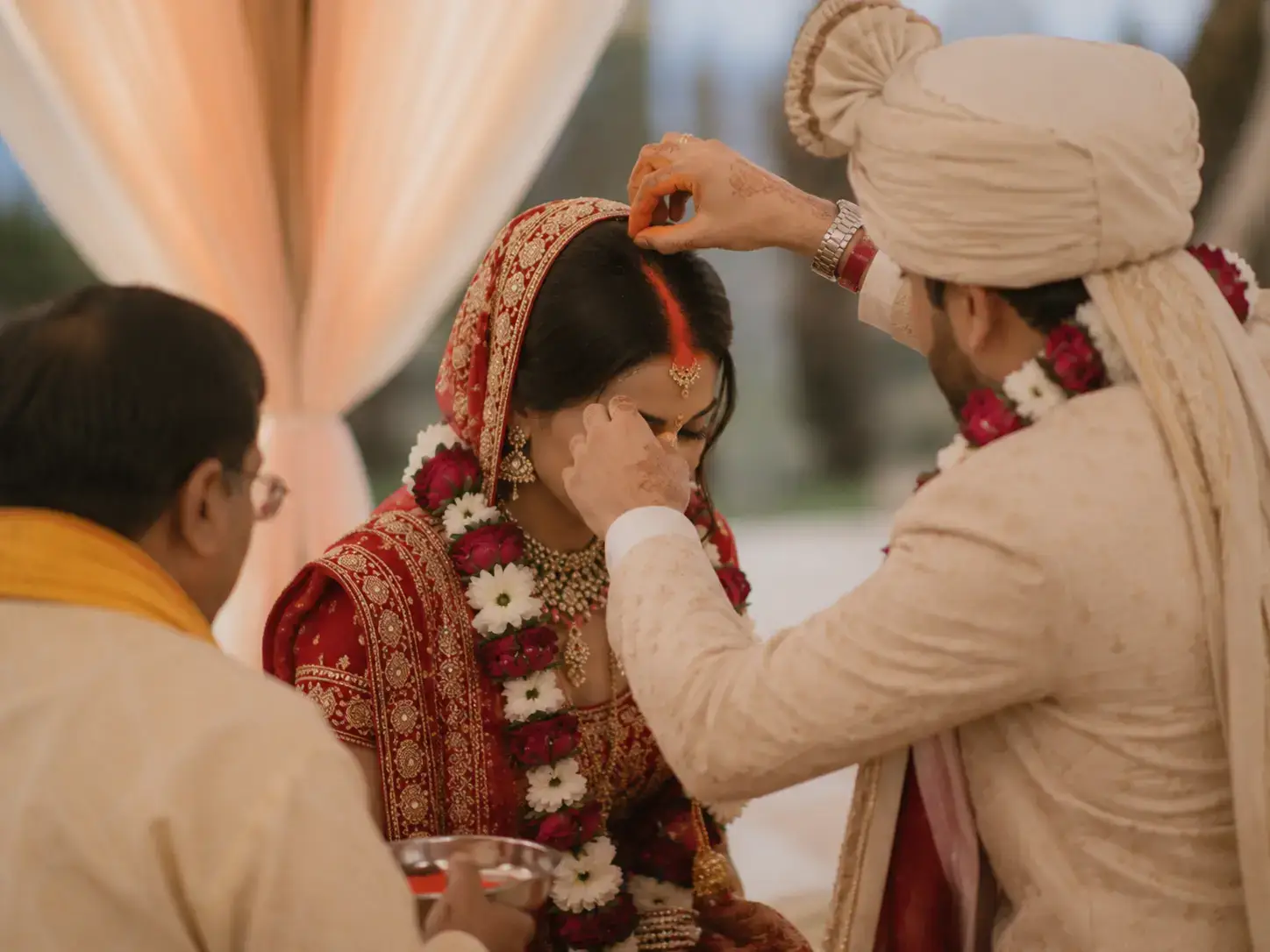
The ceremonies that Indian couples most consistently bring to their Bali celebrations each have their own rhythm and visual character:
- Mehndi ceremony: A pre-wedding gathering where henna is applied to the bride’s hands and feet, typically accompanied by live music and a relaxed atmosphere that brings together the women of both families.
- Haldi ceremony: Family members apply turmeric paste as a ritual of purification and blessing. It is an intimate ceremony that becomes especially beautiful in an open-air Balinese setting with abundant natural light.
- Varmala exchange: The exchange of floral garlands between the bride and groom symbolizes mutual acceptance and translates beautifully across cultural traditions.
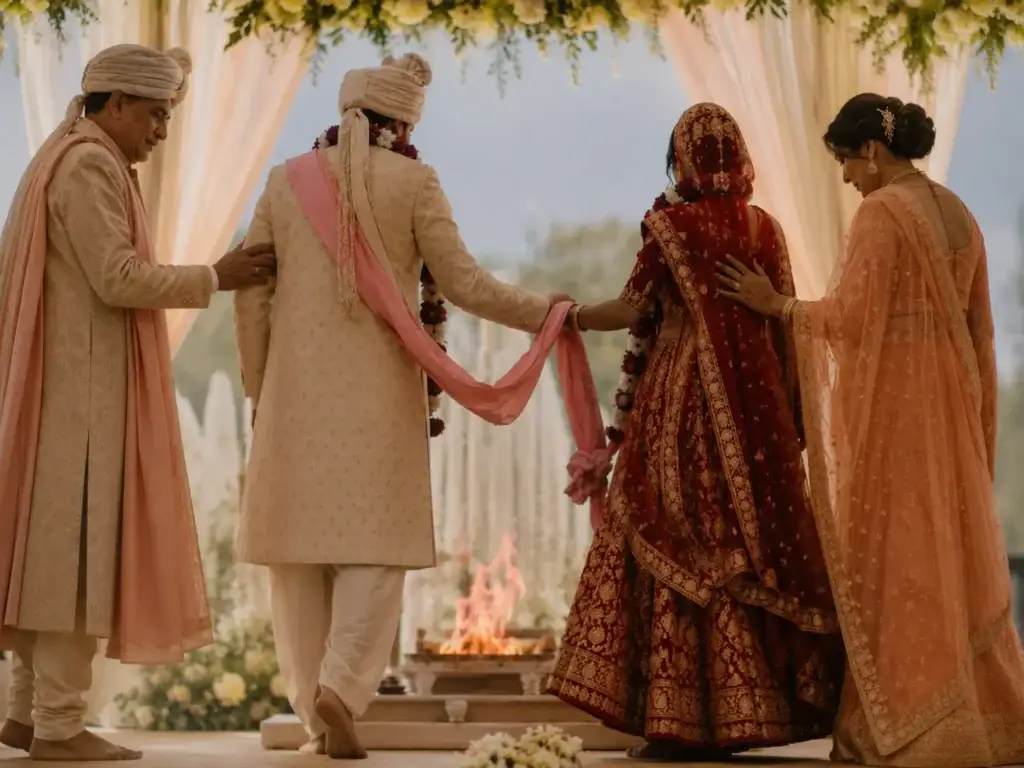
- Saat Phere: The seven sacred circles around the fire represent the couple’s vows and form the ceremonial heart of a Hindu wedding. This ritual requires a mandap setup and a fire pit that the venue must be prepared to accommodate.
- Aashirwad: Receiving blessings from elders grounds the celebration in family and lineage, making it essential to dedicate enough time and space within the program.
Each of these rituals requires advance coordination with the venue, catering team, decorator, and, in many cases, a priest who travels with the family. Indian wedding rituals Bali planning works best when the organizer understands what every ceremony requires operationally as well as aesthetically.
Luxury Ballroom for a Multi-Day Indian Wedding
Multi-day Indian weddings in Bali require a venue that can transform across different events. It should feel intimate for a Haldi ceremony, expansive for a reception, and flexible enough to accommodate a Sangeet stage and a mandap within the same space over multiple days. A luxury ballroom provides the infrastructure to make this possible without requiring the couple and their guests to move between several locations.
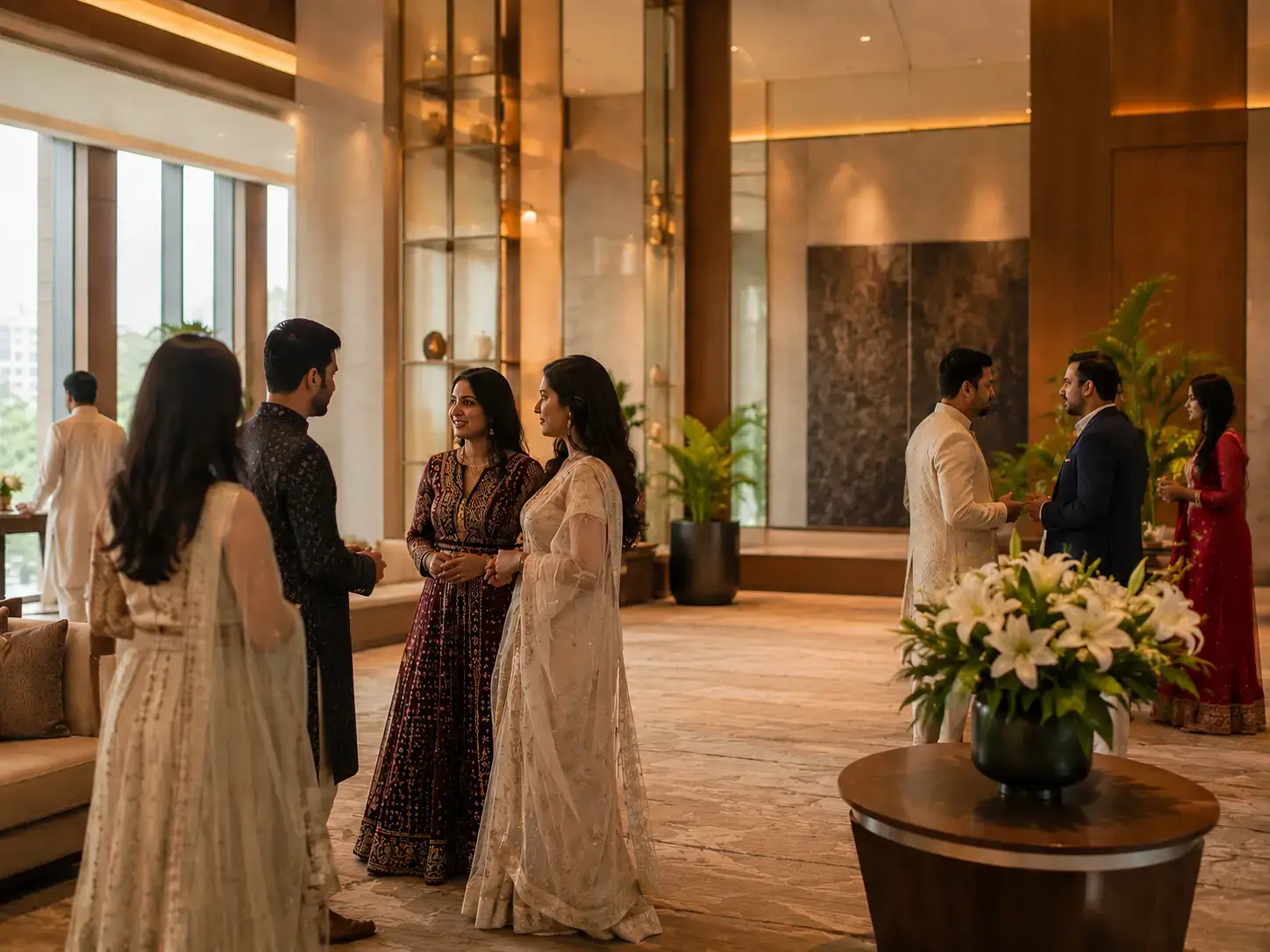
The right ballroom offers far more than generous space. State-of-the-art AV systems for live music and DJ performances, chandeliers and architectural features that complement Indian décor installations, professional kitchen facilities capable of serving authentic Indian cuisine at scale, and an experienced venue team all contribute to the seamless execution of a multi-day celebration.
For Indian weddings in Bali, the ballroom is not simply a backdrop. It becomes the space where every part of the celebration comes together in harmony.
Essential Cultural Elements in Indian Weddings in Bali You Must Include
Beyond the major ceremonies, there are many cultural elements in Indian weddings in Bali that distinguish a deeply considered celebration from one that is simply well organized. These thoughtful details are often what guests remember most and what photographs and videos preserve for generations.
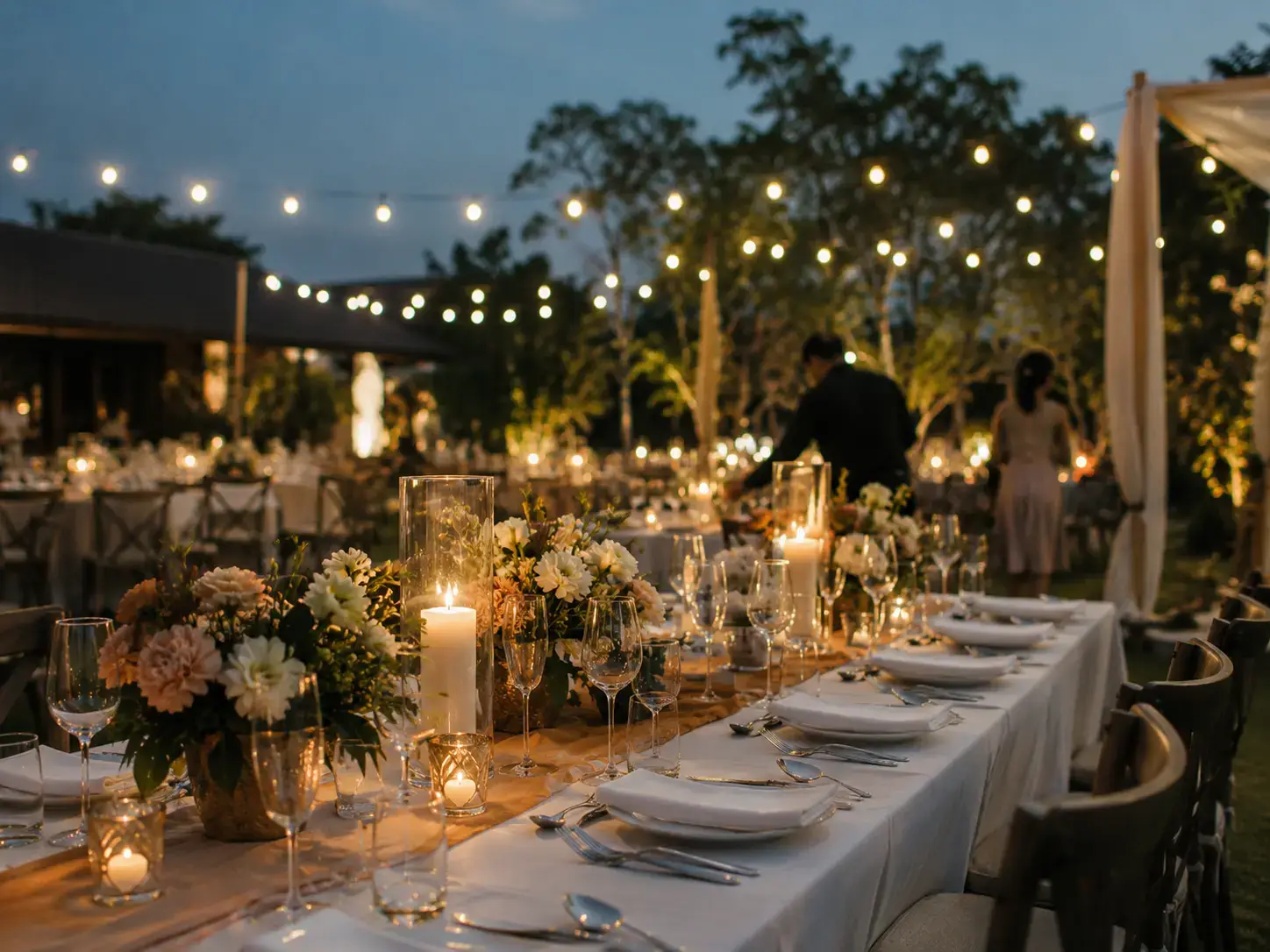
Several elements consistently enrich Indian weddings in Bali when they receive the attention they deserve:
- Live Indian music: A classical ensemble, a dhol player, or a carefully curated DJ set built around the emotional flow of the ceremony adds an atmosphere that recorded playlists simply cannot match.
- Balinese offerings and ceremonial décor: Traditional offering baskets and floral installations honor the host culture while creating visual depth that many guests from India find especially meaningful.
- Photography and videography: Teams with experience documenting both Indian wedding traditions and Bali’s natural beauty are better equipped to capture every meaningful cultural detail.
- Guest participation: Giving guests opportunities to engage with rituals instead of only observing them creates stronger emotional connections and often results in the most memorable photographs.
- Post-wedding celebration: A Balinese-themed brunch or farewell dinner offers guests one final experience that reflects the destination and provides a meaningful conclusion to the festivities.
For a closer look at how these elements come together in real celebrations, and to follow the work as it evolves across events, see The Grand Plan EO’s latest work here.
Start Planning Your Dream Indian Wedding in Bali Today
Indian weddings in Bali are complex to plan and extraordinary to experience. The gap between those two realities is bridged by the right team, one that understands the cultural elements in Indian weddings in Bali with genuine depth.
They must also have the vendor relationships to execute every detail to a high standard, and brings the logistical expertise required to manage a multi-day, multi-ceremony celebration without losing sight of what truly matters. Luckily, The Grand Plan EO is built for exactly this.
Reach us out today and begin the conversation about what your celebration could look like, from the first consultation to the final blessing.