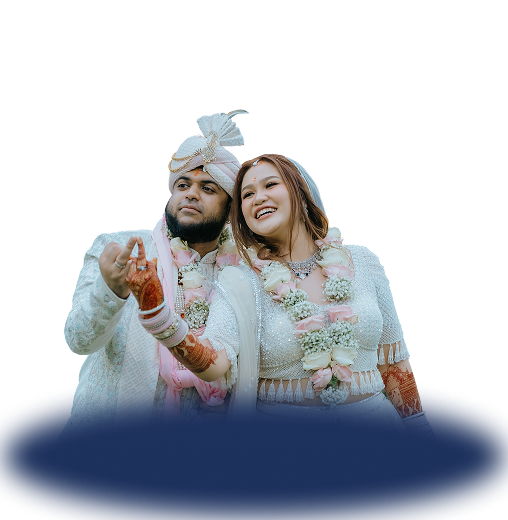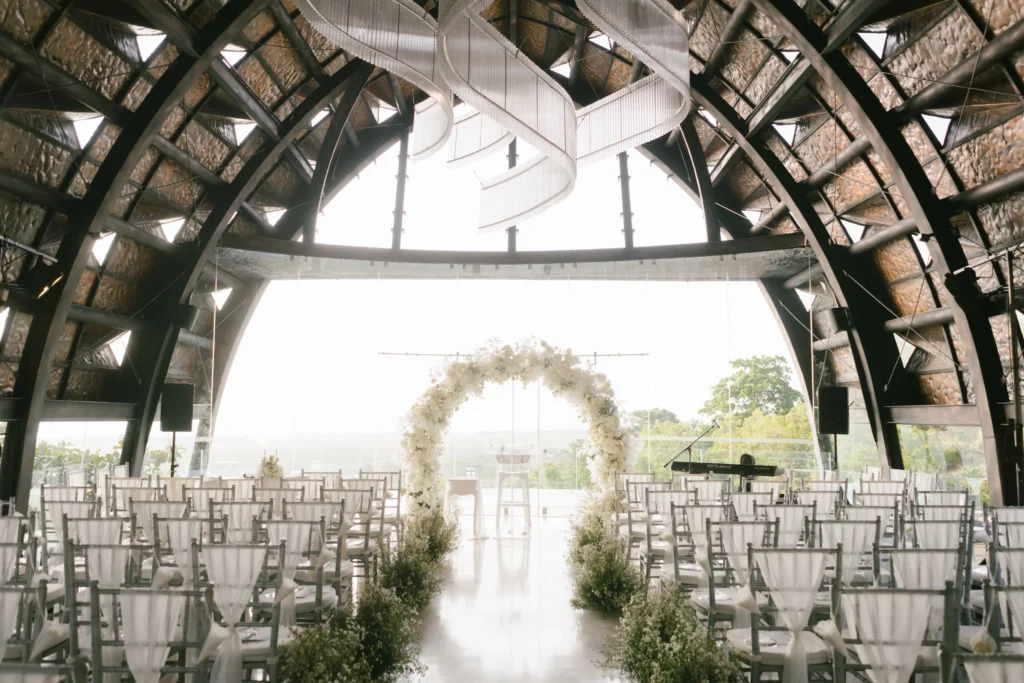
A Bali Indian wedding experience is more than a ceremony on a beautiful island. It is how a family feels from the moment the first guests land: greeted with flowers, surrounded by prayer that needs no translation, and free to celebrate where sacred fire, music and offerings already belong to daily life.
What a Bali Indian Wedding Experience Feels Like on the Ground
Bali’s own religion grew from Hindu roots, so an Indian celebration does not arrive as a novelty. That shared atmosphere softens the nerves of travelling to a wedding and gives every family a warm start. Small woven offerings sit at doorways, incense drifts through hotel lobbies, and ceremonial processions are a familiar sight on the road. Guests flying in from Mumbai, Singapore or Sydney feel the difference within minutes of arriving. Marigold and frangipani share the same air, and a dhol beat carries across a lawn where a gamelan rehearsed an hour earlier. A full Indian wedding in Bali layers these contrasts over several events, but even a smaller gathering carries them.
Moments That Matter to Each Generation
A wedding is felt differently depending on who is attending, and the strongest celebrations plan for each group instead of an average guest. None of this appears in a decor brief, yet it shapes how the trip is remembered.
- Grandparents and elders: seating close to the action, shade, short walking distances, and a ceremony explained in their own language.
- Parents as hosts: a calm schedule, one point of contact, and the chance to greet every guest instead of chasing vendors.
- Cousins and friends: evenings with energy, a dance floor that can handle a Sangeet, and free time to explore between events.
- Children: familiar food, a quiet corner to rest, and an adult assigned to them during long rituals.
Balinese Touches That Welcome Rather Than Compete
Local elements work best when they frame an Indian ceremony instead of sharing its stage, like a garland at arrival or a short blessing from a Balinese priest. Our guide to the cultural elements in Indian weddings in Bali explains the meaning behind each.
Setting the Pace Across Several Days
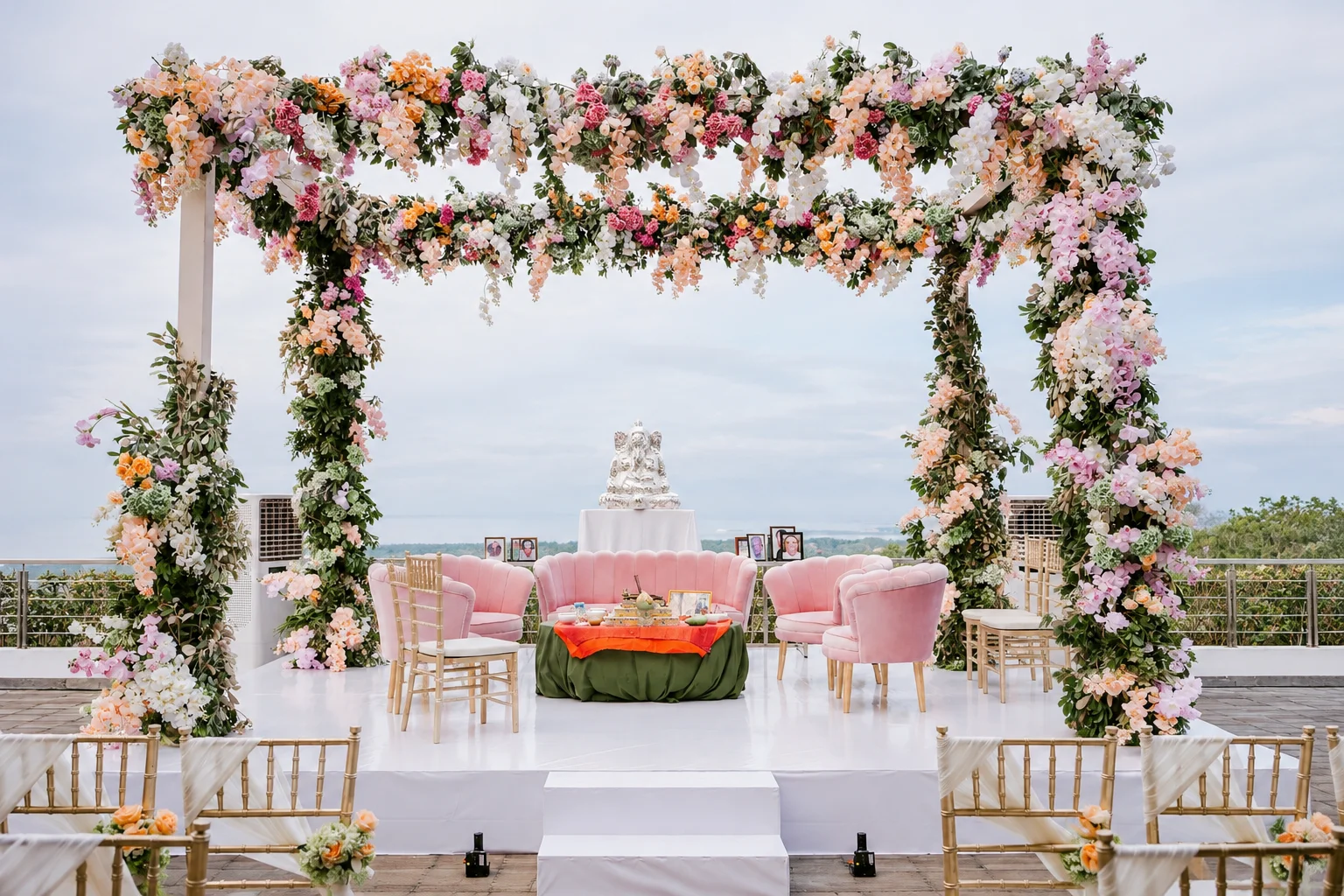
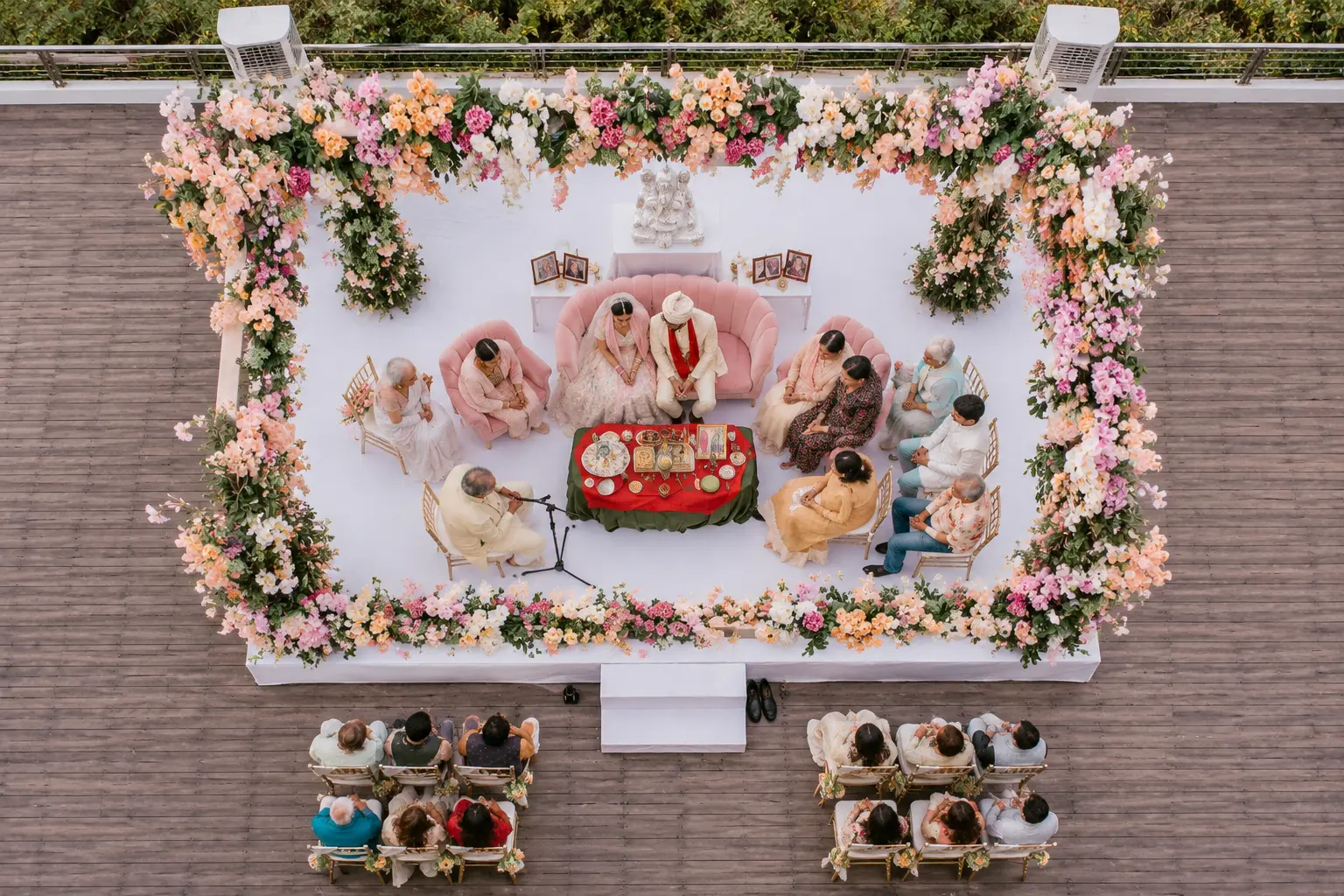
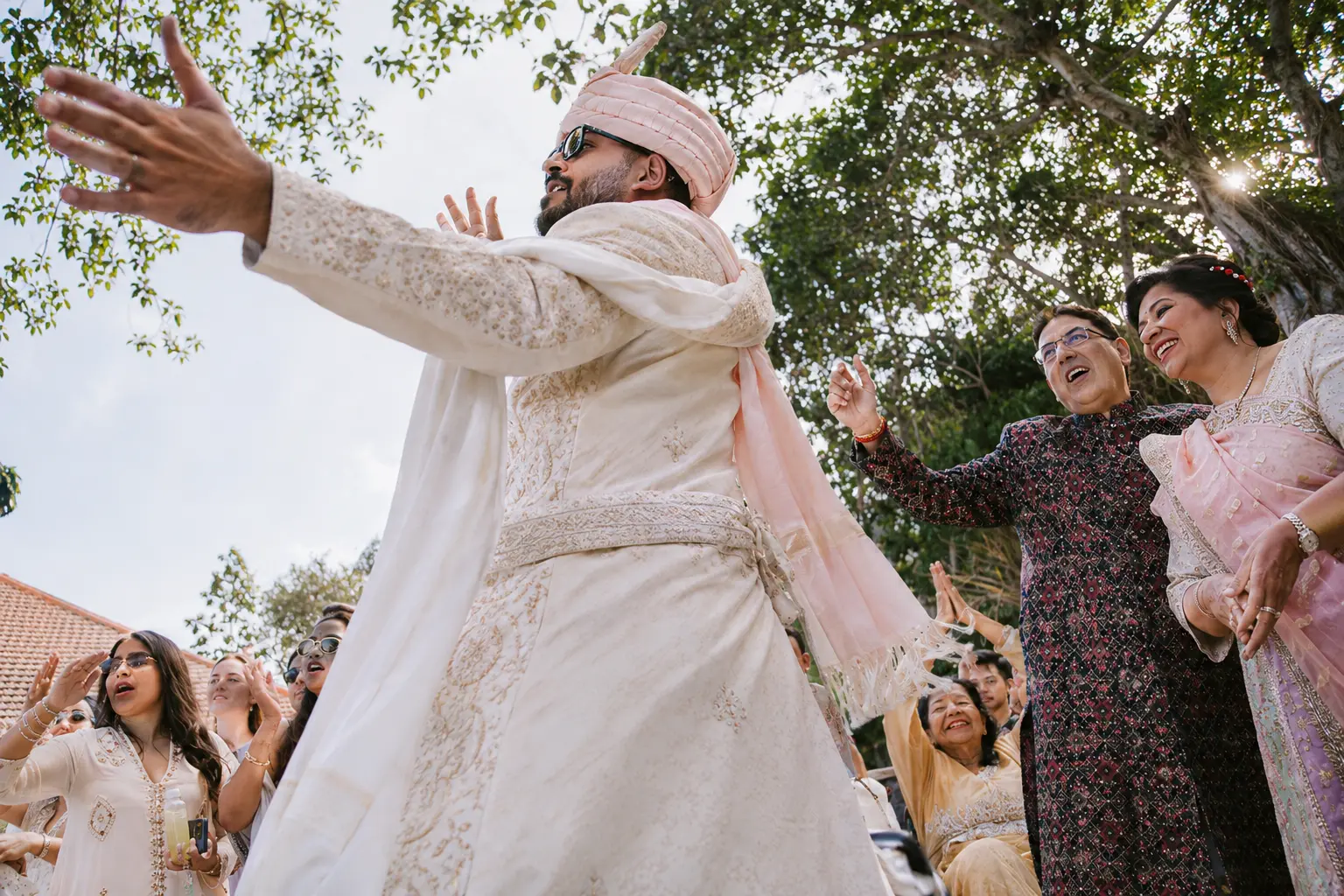
Humidity, long transfers and jet lag can wear down even enthusiastic guests, so a generous experience leaves room to breathe. How events are sequenced is covered in our guide to multi-day wedding planning in Bali; here the focus is how the pacing feels.
- Leave a free afternoon between the heaviest days so guests can rest or explore.
- Keep transfers short by choosing a venue and accommodation in the same area.
- Start outdoor events once the strongest sun has passed.
- Offer an optional outing, such as a temple visit or a cooking class.
- Close with a farewell brunch the next morning for one more unhurried hour together.
Venue Questions That Change the Whole Experience
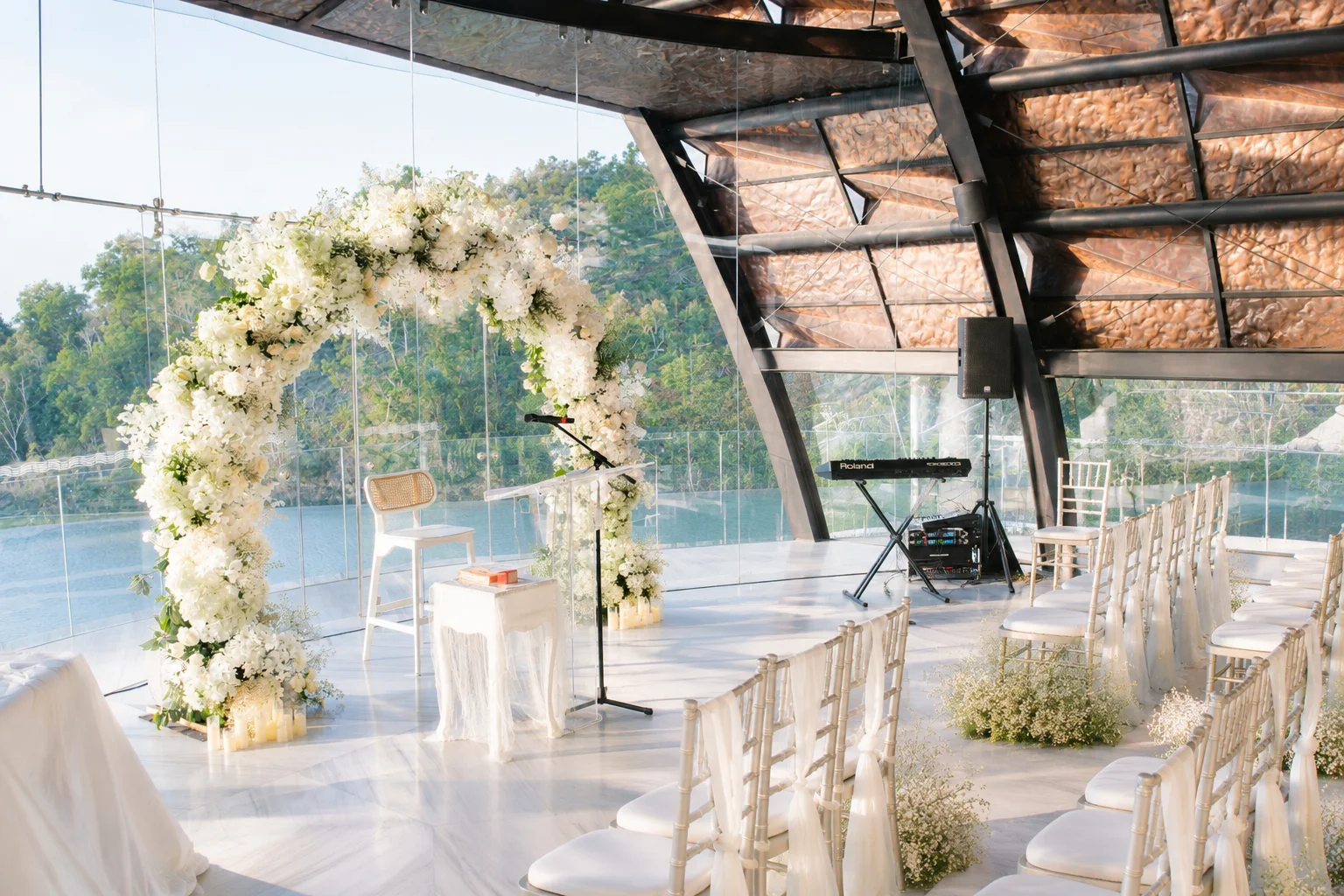
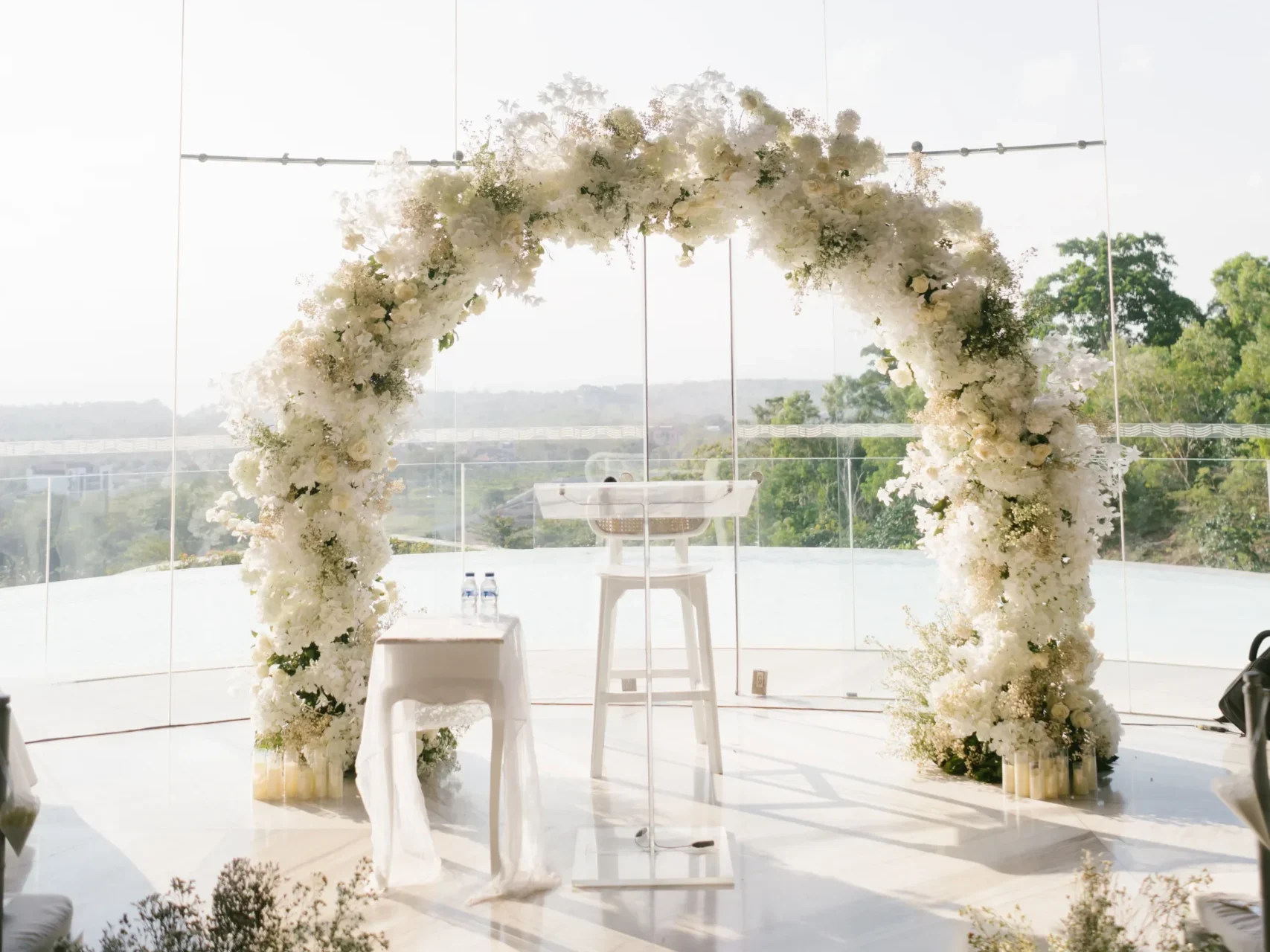
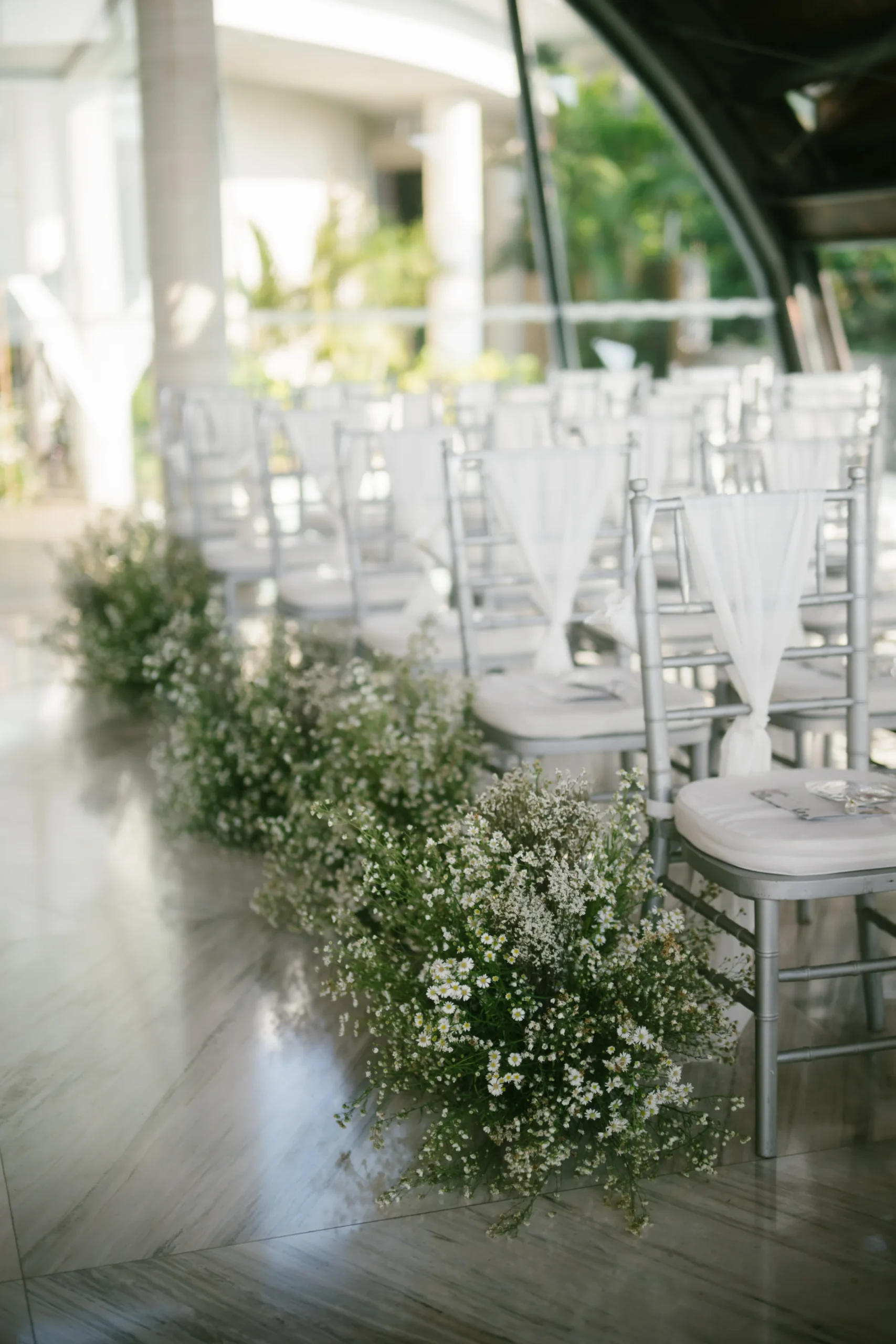
A view photographs well, but the experience depends on what the venue allows. Venues that host Indian weddings regularly answer the questions below without hesitation, while others will need more preparation.
- Is an open flame permitted for the fire ceremony, and where can it be placed?
- How late can amplified music run, and does that include the dhol?
- Is there a covered backup space if it rains?
- Can the kitchen or approved caterers serve vegetarian, Jain and halal menus?
- How many guest rooms are held nearby, and how far is the airport?
Watch how these settings look in practice:
Planning Details That Protect the Day
Two practical areas deserve attention early because they are hard to change later: when you celebrate, and which documents make the marriage legal.
Season and Calendar
Bali generally has a drier stretch from around April to October, which suits outdoor ceremonies, and wet-season dates can work with a rain plan. Check the Balinese religious calendar too, since Nyepi pauses the whole island, airport included.
Paperwork and Documents
Foreign couples should confirm early which documents a legally recognized marriage requires, since requirements can vary by nationality. Our Indian wedding checklist walks through the preparation step by step.
Translating Between Cultures
Someone has to explain to venue management why the ceremony needs a fire and an early start, and tell the sound team when the Baraat arrives. A friendly Indian weddings organizer in Bali does this daily, so your family only sees the result.
What to Look for in a Team
Look for a team that speaks your family’s languages, is open about its vendor relationships, and has handled the rituals you plan to include. When those boxes are checked, the first consultation feels like a conversation.
Frequently Asked Questions
Families planning from abroad tend to ask the same practical questions first. These answers cover rituals, logistics, timing and the details that make a Bali celebration feel different.
Can you handle traditional Indian rituals and requirements in Bali?
Yes, The Grand Plan EO is experienced in handling traditional Indian weddings and ceremonies in Bali. From mandap setup, priests, authentic catering, to multi-day event coordination, every cultural detail is carefully managed to ensure a seamless and respectful celebration.
Can you help with guest logistics and transportation?
Yes, we handle guest management end-to-end, including airport transfers, accommodation coordination, shuttle services, and on-ground assistance to ensure a smooth experience for all attendees.
What is the typical timeline for planning a destination event with you?
Ideally, planning starts 6–12 months in advance for large-scale weddings. However, we can also accommodate shorter timelines depending on availability and requirements.
What makes a Bali Indian wedding experience different from a wedding in India?
The rituals themselves stay the same. What changes is the setting and the logistics: ceremonies often take place outdoors, suppliers are sourced locally, and guests travel in from several countries. Bali’s own Hindu traditions also mean that priests, flowers and ceremonial customs are familiar to local teams, which helps the celebration feel at home.
Can a Balinese blessing be included alongside an Indian ceremony?
Yes. Many couples keep the full Indian ritual order and add a short blessing from a Balinese priest before or after it, so each tradition has its own moment. The timing is agreed with both officiants in advance.
When is a good time of year for an Indian wedding in Bali?
The drier stretch, roughly April to October, is popular for outdoor ceremonies. Wet-season dates can still work with a rain plan and a sheltered backup space. Whatever the season, check the Balinese religious calendar before fixing a date, because Nyepi and other holy days can affect travel and vendor availability.
Ready to talk through your own Bali Indian wedding experience? Reach us through whichever channel suits you.
The weddings people keep talking about years later are rarely the largest ones. They are the ones where every generation felt looked after, where the rituals were given room, and where the island’s warmth showed up in small, unhurried ways. Plan for that feeling first, and the details tend to find their place.