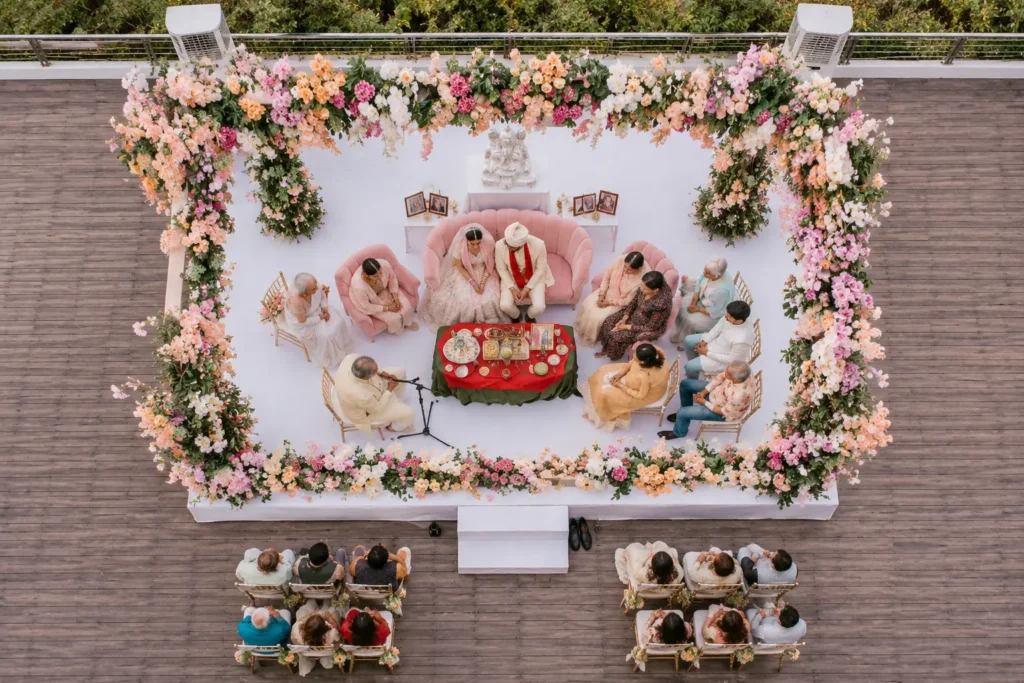
Planning an Indian wedding is layered work, and a destination island, a guest list spread across several countries and a wish to celebrate with a lighter footprint make the to-do list grow quickly. A friendly Indian weddings organizer in Bali does more than manage timelines. They keep your vision, your values and your family’s expectations in the same conversation, and they make the process feel calm instead of corporate. This guide looks at what that partnership involves, how eco-conscious vendors are chosen, and how green ideas sit naturally within Indian traditions.
What Makes an Indian Wedding Organizer Truly Friendly
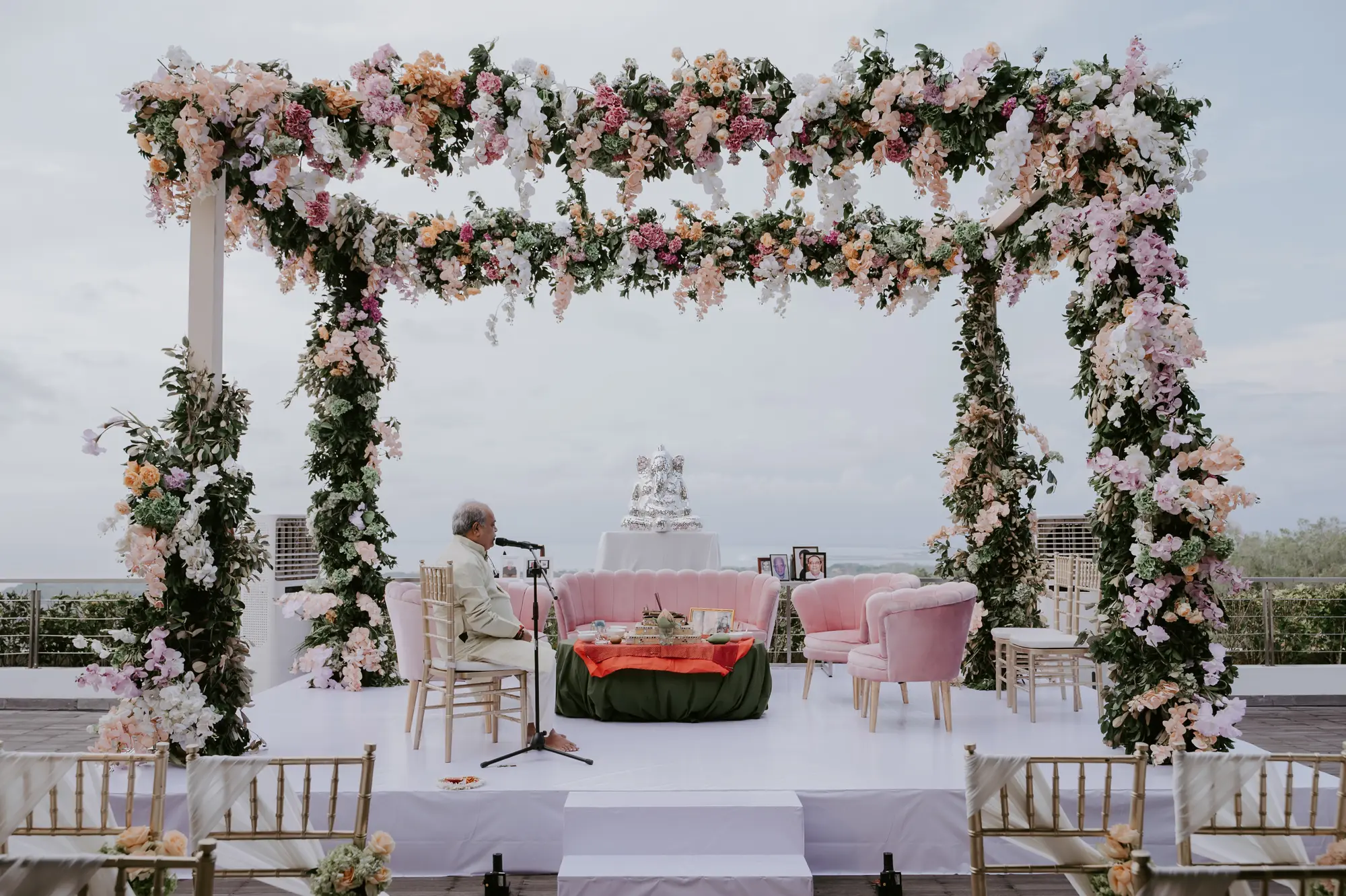

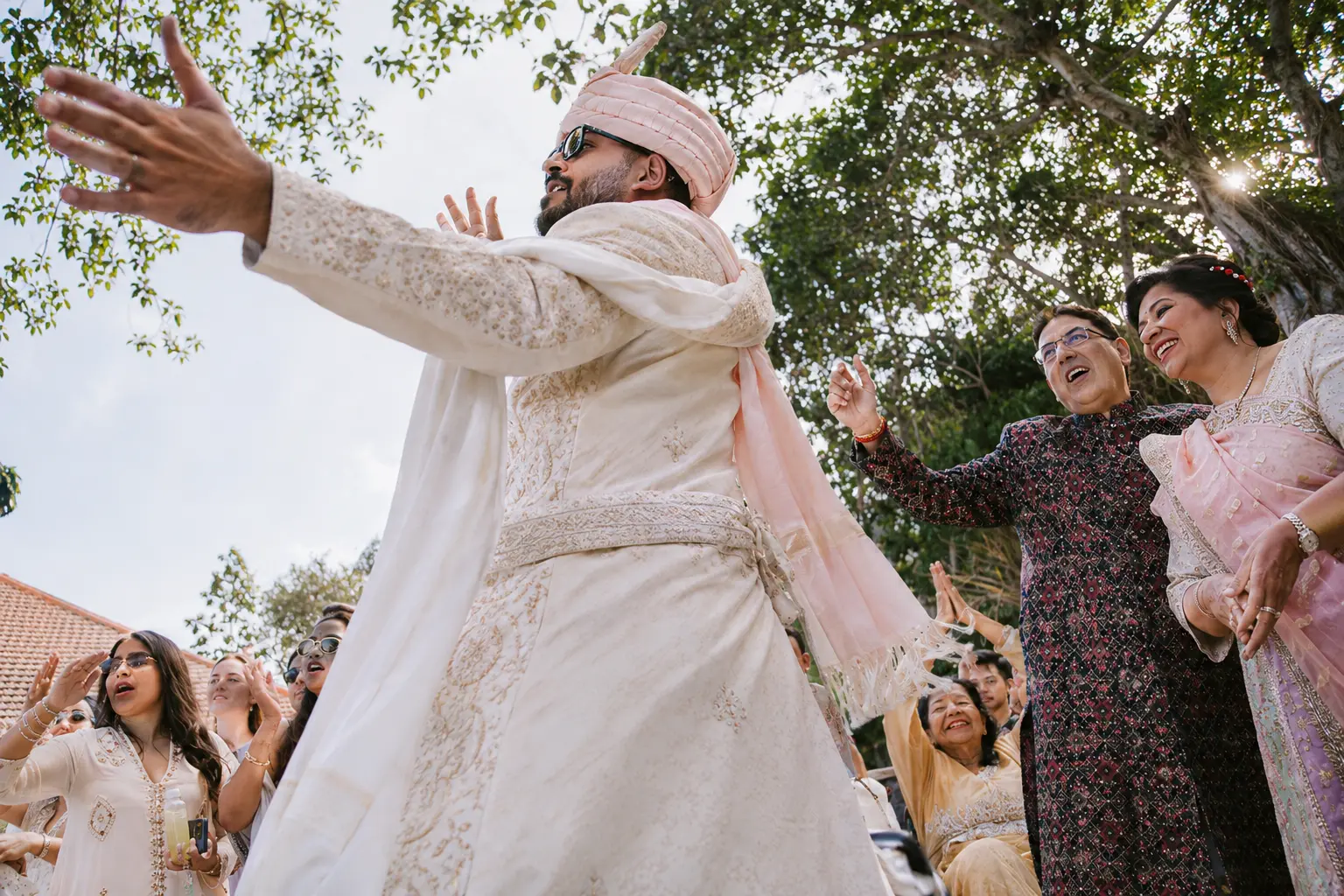
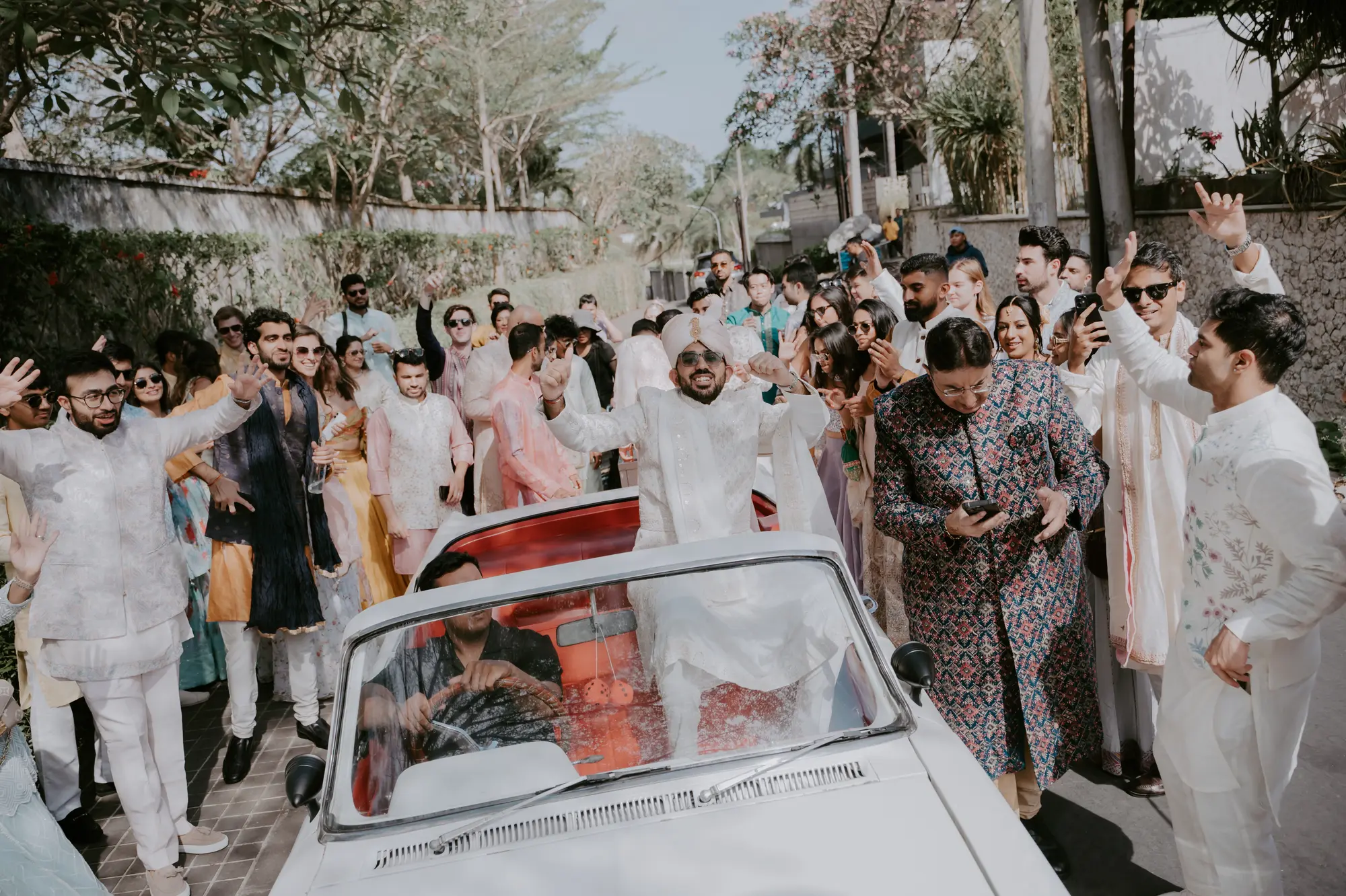
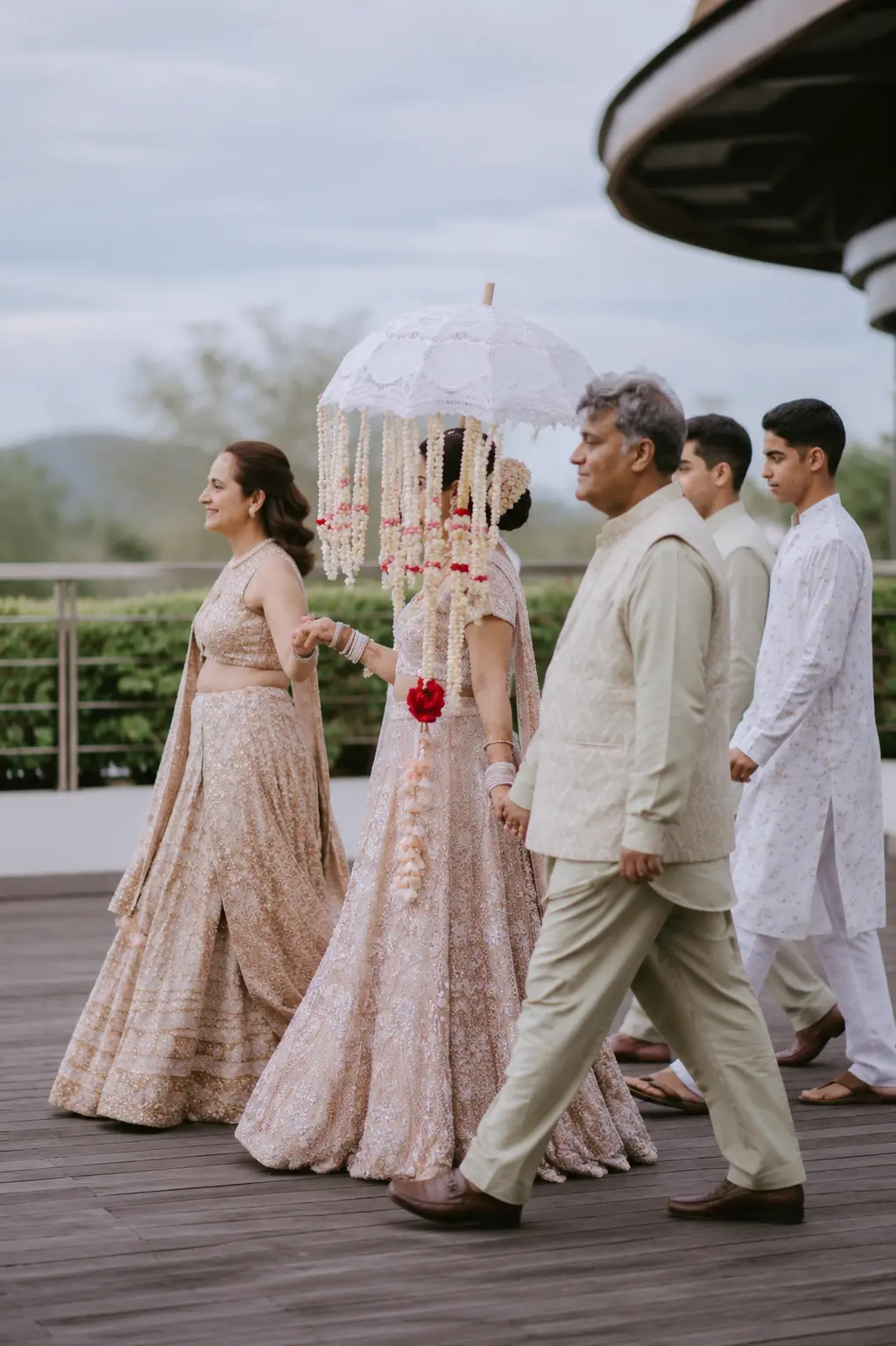
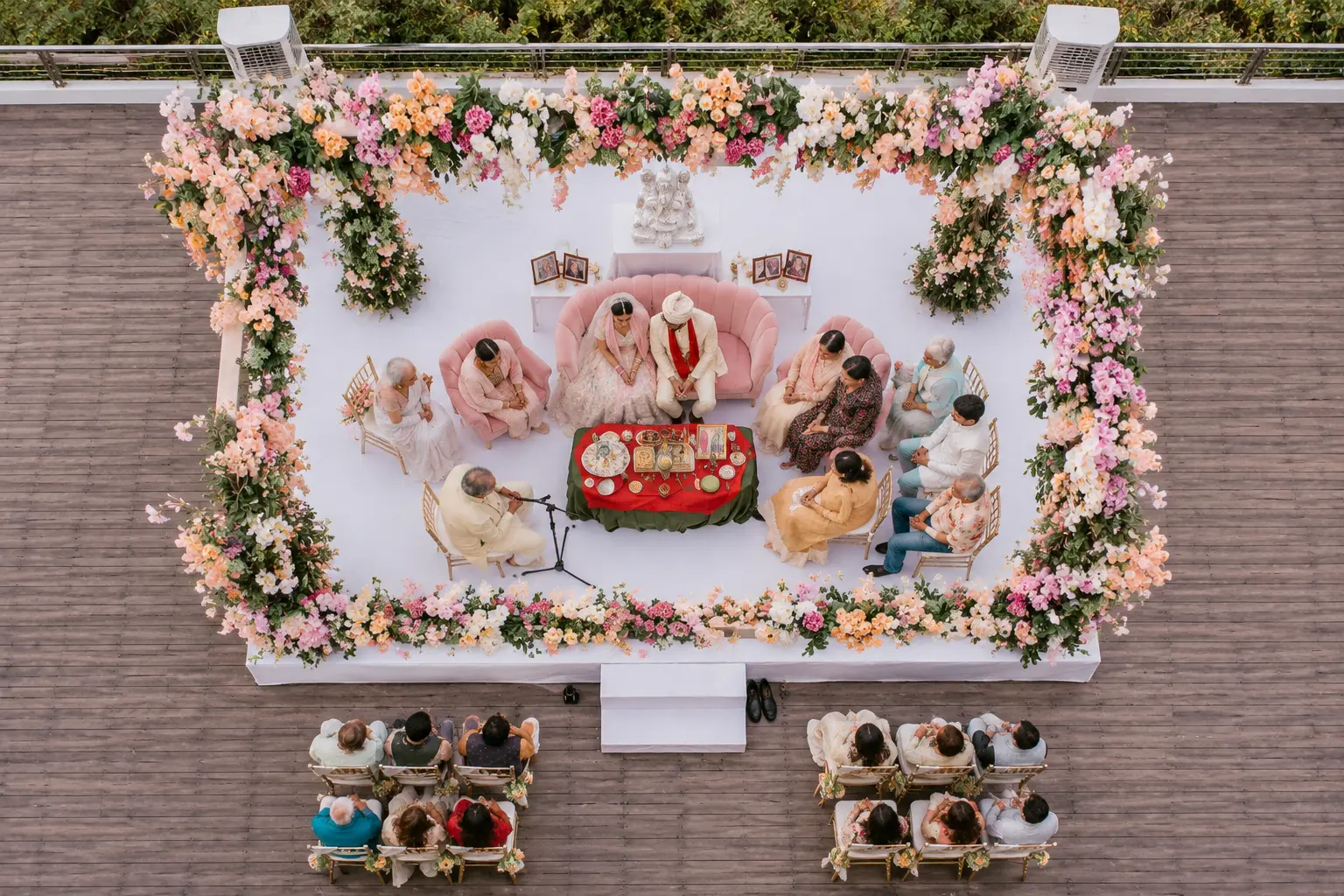
Friendliness is easy to claim and harder to prove. In practice it shows up in small, repeated moments: replies that arrive when you actually need them, explanations that respect your parents’ questions, and a team that never makes a ritual sound like an inconvenience.
Language is part of it. When the people on the ground can speak Hindi, Tamil or Punjabi with your relatives, nothing gets lost between a grandmother’s wish and a vendor’s brief. Cultural fluency matters just as much. Knowing why the Haldi is held separately for bride and groom, or how a mandap should be set, spares you from explaining your own traditions to every supplier.
Transparency completes the picture. A trustworthy organizer is open about how vendors are chosen and paid. The Grand Plan EO, for instance, takes no commission or percentage from vendors, so recommendations rest on quality and suitability rather than on who offers the better margin.
The Real Value of a Trusted DMC for Indian in Bali
A destination wedding is not a local wedding held somewhere prettier. Suppliers, transport and ceremonial requirements all work differently, and a gap in any one of them is felt by a hundred guests at once. This is where a destination management company earns its place.
A DMC brings established supplier relationships, an on-ground team and a working knowledge of how Bali actually operates. For Indian celebrations that includes priests, authentic catering with vegetarian, Jain and halal options, entertainment such as dhol players, and logistics for guests who arrive in waves. For large weddings, planning usually starts six to twelve months ahead, although shorter timelines can work depending on availability.
The same network is what makes sustainability practical. When your planner already works with vendors who reduce waste and buy locally, the commitments you make on day one can carry through to the farewell brunch on day four. Our wedding planner in Bali service shows how that scope is organized from first consultation to wrap-up.
How a Friendly Indian Weddings Organizer in Bali Selects Eco Vendors
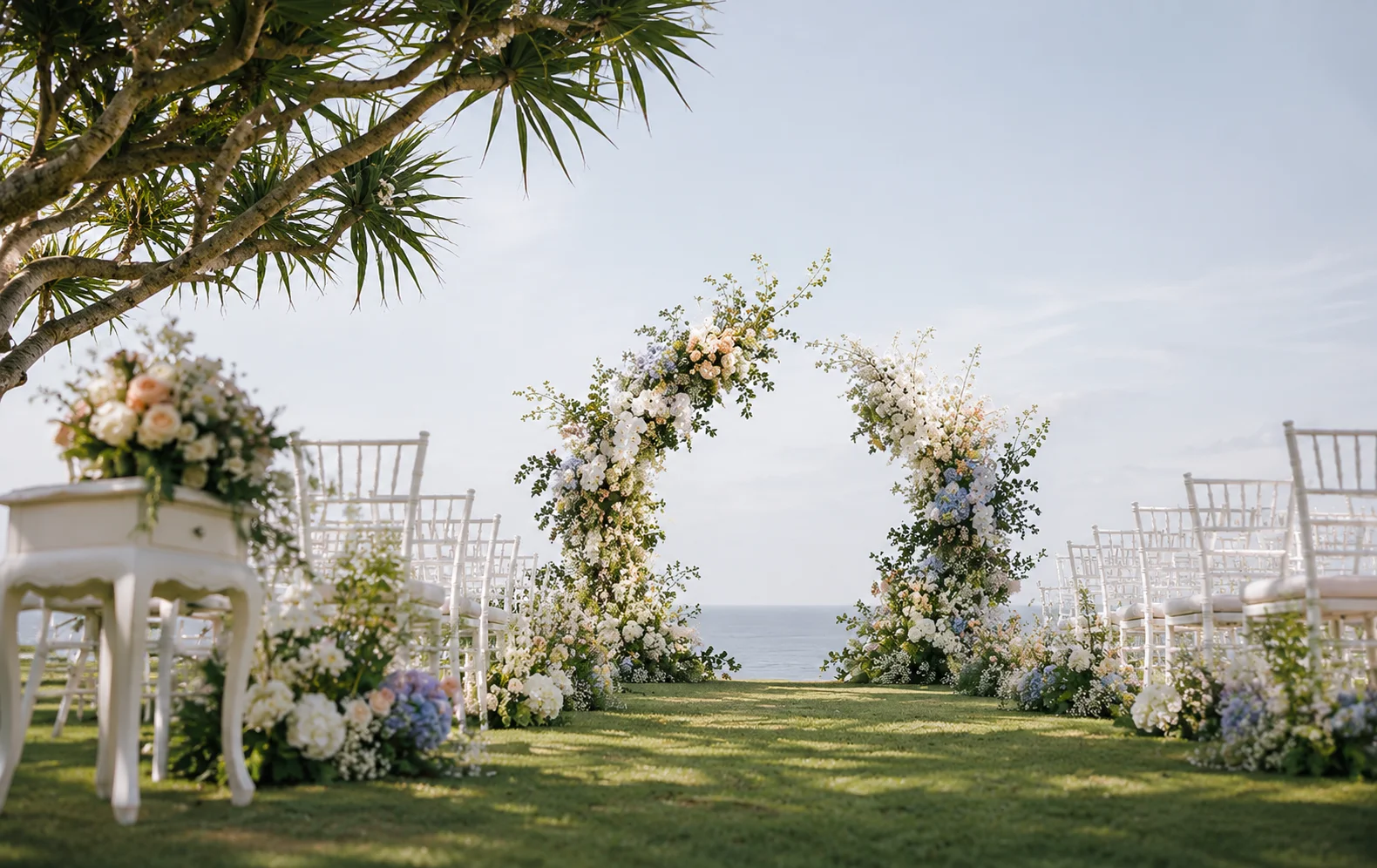
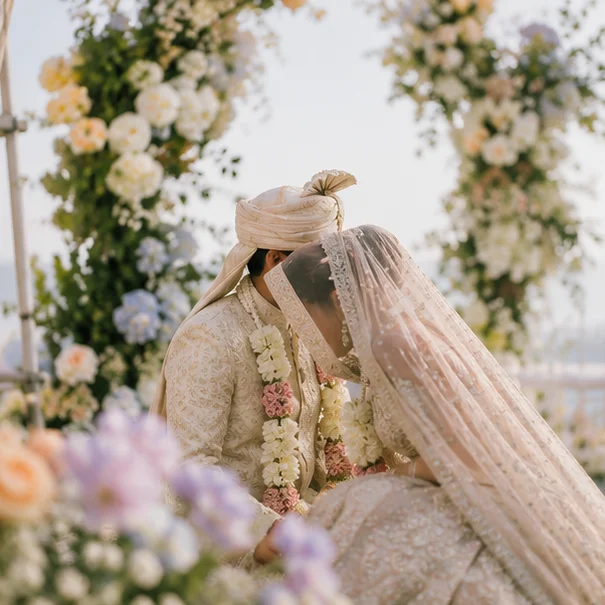
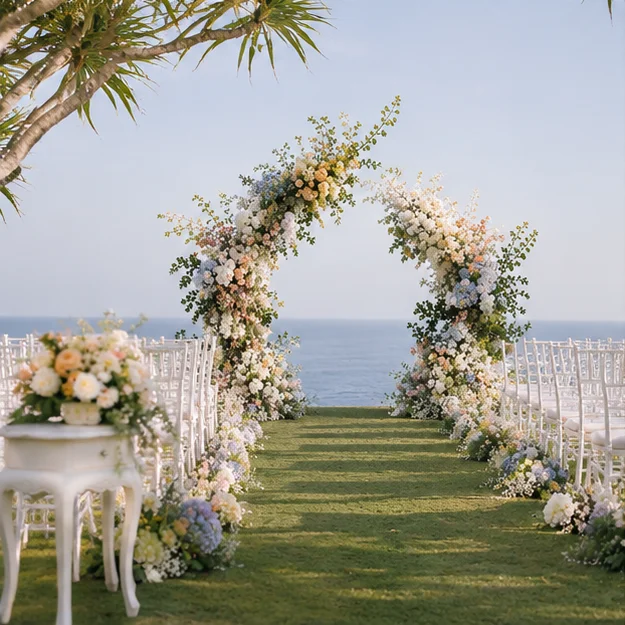
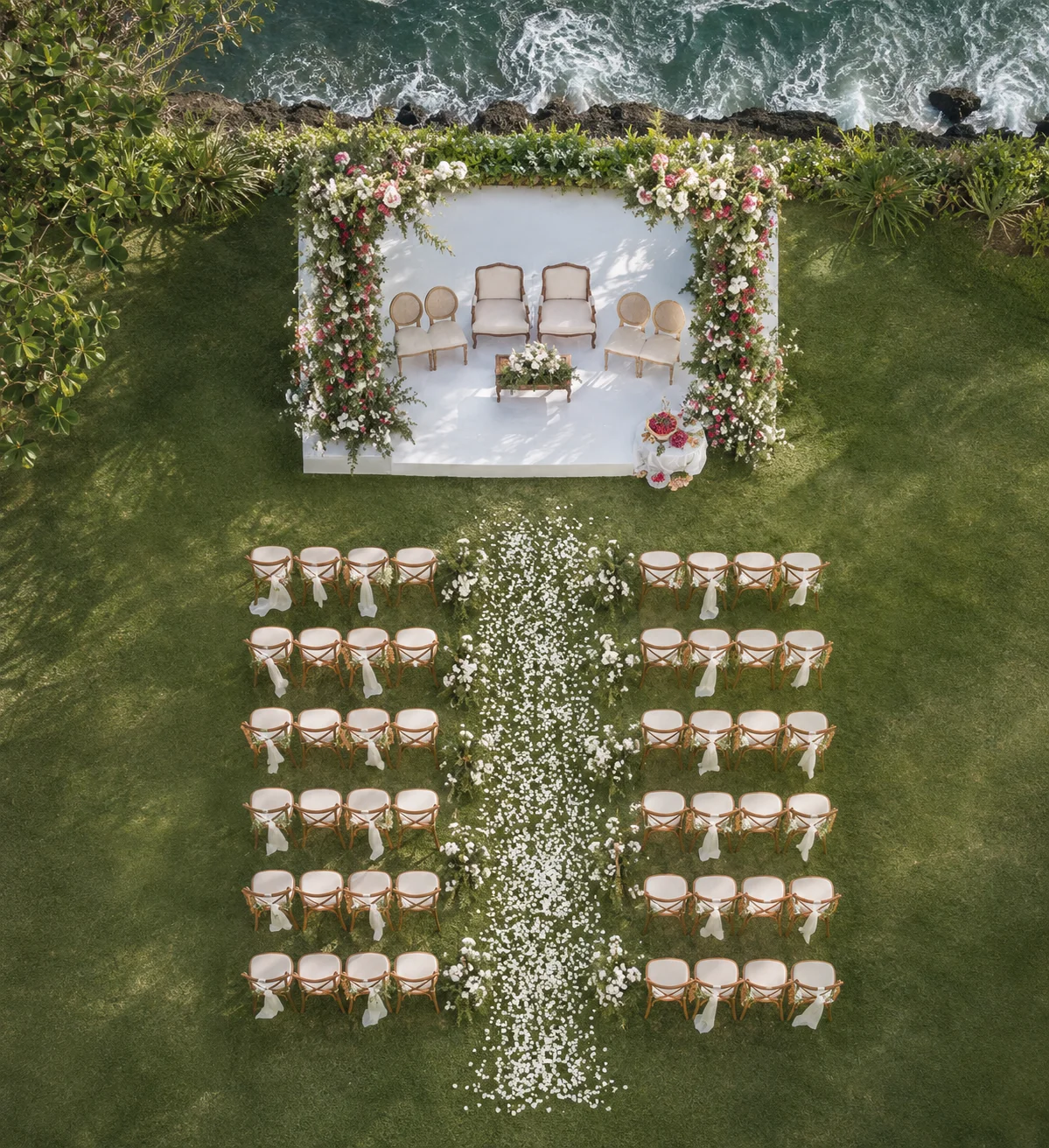
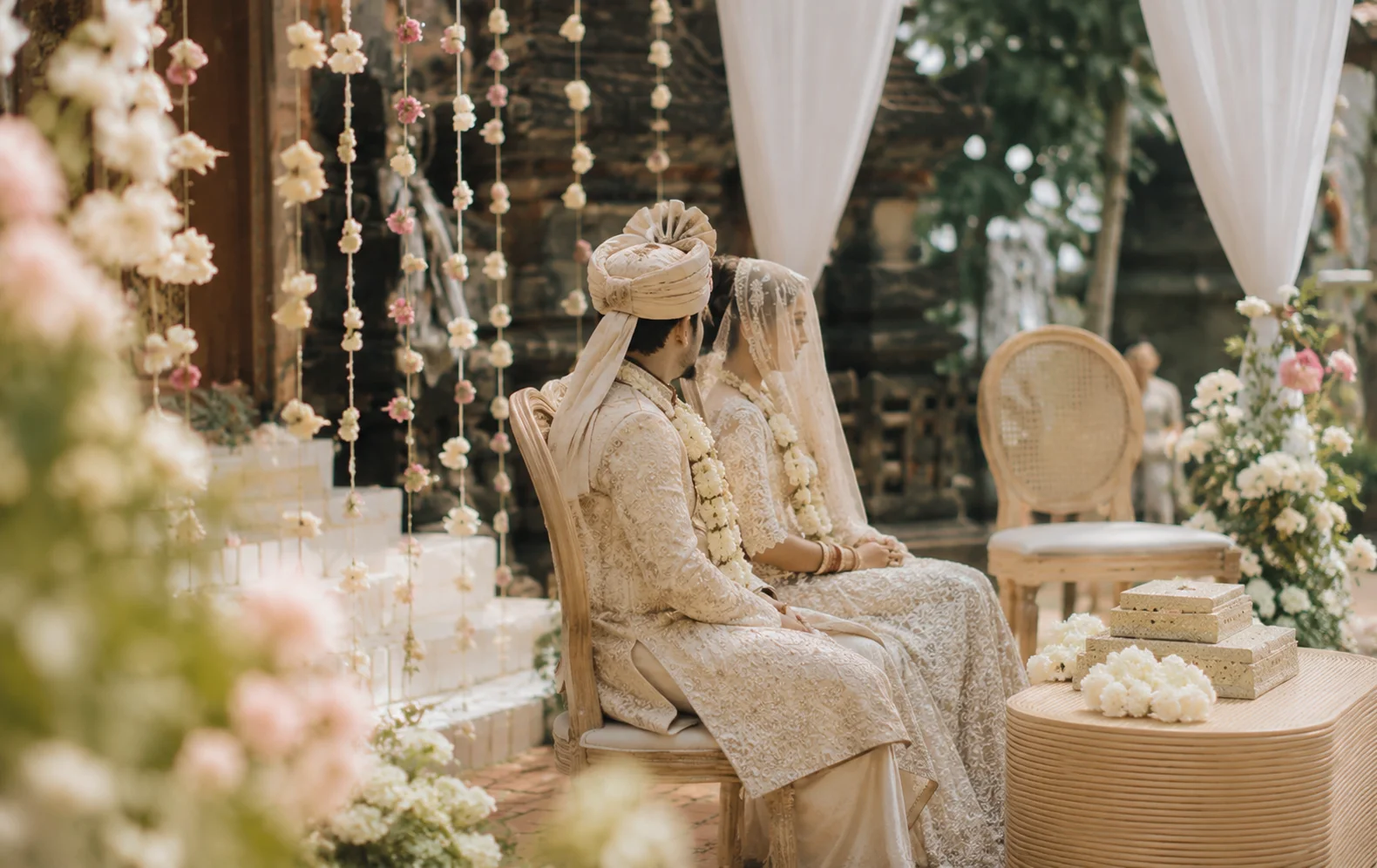

Vendor selection says more about a planner’s values than any brochure. An organizer committed to eco-conscious celebrations does not simply forward a list of popular suppliers. They ask harder questions, and they ask them early:
- Do the florists compost their offcuts?
- Do the caterers buy from local farmers?
- Does the decorator offer reusable or biodegradable elements?
- Can airport transfers be grouped to cut unnecessary trips?
These conversations happen well before you meet anyone. By the time you sit down for a tasting or a design consultation, the suppliers across the table have already been vetted for both quality and responsibility.
The planner’s second job is translation. They brief each vendor on the ritual timeline, explain what a particular moment means, and make sure no sustainable shortcut weakens the ceremony. A banana leaf platter is welcome. A Baraat that starts late because a florist misread the schedule is not.
Sustainable Wedding Planning Benefits for Every Guest and Every Ritual
There is a common belief that sustainable wedding planning means scaling back. Usually the opposite happens. Thoughtful choices tend to sharpen the sensory side of a celebration.
Think of flowers from Bali’s highland farms: they arrive fresher, smell richer and photograph beautifully. Think of a menu built on local, seasonal produce, where flavors are brighter and every dish has a story. Venues that run on sustainable principles often care for their grounds with pride, which gives you lush, well-kept spaces to celebrate in.
Indian weddings suit this approach because many green wedding ideas already belong to the tradition:
- Earthen diyas in place of plastic holders
- Natural dyes for fabric decor
- Banana leaf serving ware for selected meals
- Garlands and mandap flowers from locally grown blooms, composted afterward
None of these are compromises. They deepen cultural authenticity, and they fit comfortably within luxury Indian weddings in Bali, where scale and atmosphere matter as much as the guest list. Sustainable planning does not shrink the grandeur of the day. It makes each moment feel more intentional, more rooted and easier to remember.
Questions Worth Asking Before You Book
A first consultation is the right moment to test whether an organizer’s promises hold up. A few questions tend to reveal a lot:
- Who will be our dedicated coordinator, and will they be on the ground during the wedding?
- How do you choose vendors, and is that process transparent?
- Which of our rituals have you handled before?
- How do you verify a vendor’s eco-friendly claims?
- What happens when the plan changes at short notice?
Clear, unhurried answers are a good sign. Vague ones usually mean the details have not been thought through yet.
Planning an Eco Wedding When You Live Abroad
Many families plan from Singapore, Australia or further afield, and sustainability can feel harder to manage from a distance. A friendly Indian weddings organizer in Bali keeps that distance manageable. Remote planning runs through video calls, WhatsApp and a structured timeline, with regular updates so nothing is left to guesswork.
A few habits help from the start:
- Share your sustainability priorities in the first consultation, so they shape the concept instead of being added later.
- Ask for vendor details in writing, including how materials are sourced and what happens to leftovers.
- Plan guest transport and accommodation together to avoid scattered arrivals.
- Keep room for flexibility on the day itself. A responsive team can adjust in real time without disturbing the celebration.
Frequently Asked Questions
Are you fluent in Indian languages?
Yes. At The Grand Plan EO, our team includes members of Indian heritage who are based in Indonesia and fluent in several Indian languages such as Hindi, Tamil, Punjabi, and others.
This allows us to communicate clearly and comfortably with families, understand cultural nuances more deeply, and ensure every detail of your event is handled with accuracy and sensitivity. It also helps create a more personal and seamless planning experience, especially for clients organizing their celebration from abroad.
Do you have a network of vendors who understand Indian guest expectations?
Yes. We collaborate with a curated network of experienced vendors who are familiar with Indian destination weddings, including catering (veg/non-veg/Jain options), décor specialists, entertainment, and hospitality teams. To maintain professionalism and transparency, The Grand Plan EO does not take commissions or percentages from any vendors. Our recommendations are based purely on quality, suitability, and what’s best for your event.
How do we coordinate if we are living abroad (Singapore, Australia, etc.)?
We provide fully remote planning support through video calls, WhatsApp, and structured timelines. Our team ensures clear communication, regular updates, and organized planning so you can manage everything comfortably from abroad.
What does a DMC do for an Indian wedding in Bali?
A destination management company handles the on-island side of your celebration: venue matching, vendor briefing, guest transport, accommodation coordination and day-of management. For Indian weddings it also means arranging priests, authentic catering and entertainment that suit multi-day rituals, so you can plan from abroad with a single point of contact.
Can an Indian wedding in Bali be eco-friendly without losing its traditions?
Yes. Many traditional elements are already sustainable, such as earthen diyas, natural dyes, banana leaf serving ware and locally grown flowers. A good planner builds these into the ritual schedule rather than replacing anything, so the ceremony stays complete while waste goes down.
How do I know a vendor’s eco-friendly claims are genuine?
Ask specific questions: how materials are sourced, whether floral waste is composted, whether decor is reusable or biodegradable, and whether the caterer works with local farmers. A planner who vets vendors before introducing them will have these answers ready, and will tell you plainly when a supplier does not meet the standard.
Ready to plan a wedding that is as responsible as it is unforgettable? Reach us through whichever channel suits you.
A wedding planned with care leaves more behind than photographs. It leaves families who felt understood, an island treated with respect, and a day that carried every ritual the way it was meant to be carried. That is the quality to look for in the team beside you, and it is what makes a Bali celebration worth telling for generations.