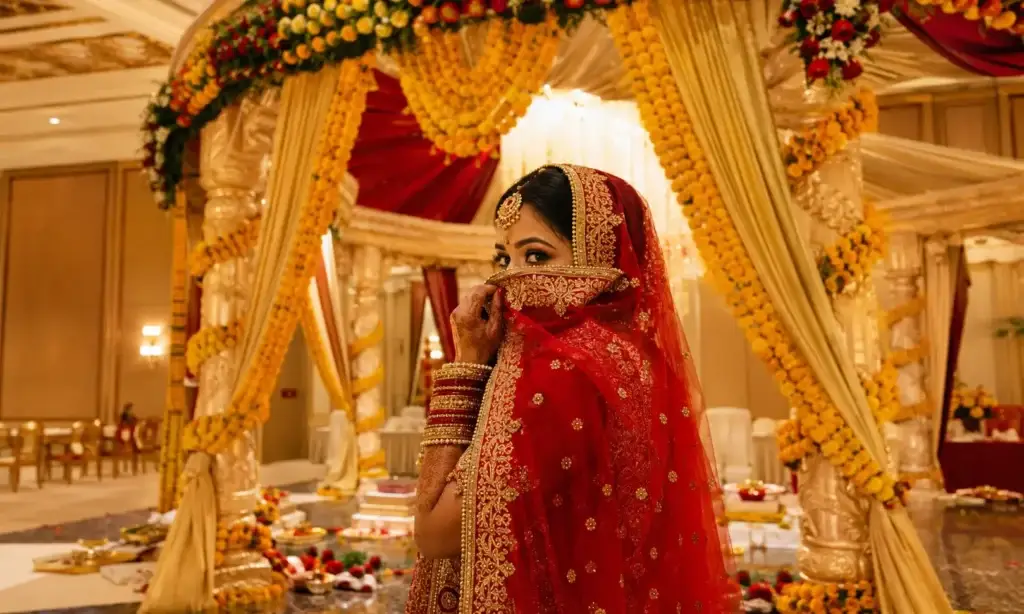
An Indian wedding Bali hosts rarely feels like just another destination celebration. It carries centuries of ritual and family meaning into a setting shaped by ocean views, rice terraces, and Balinese craftsmanship. Couples choose Bali not because it is convenient. The island somehow makes ancient traditions feel new again, without asking families to leave those traditions behind.
What Makes an Indian Wedding Bali Different
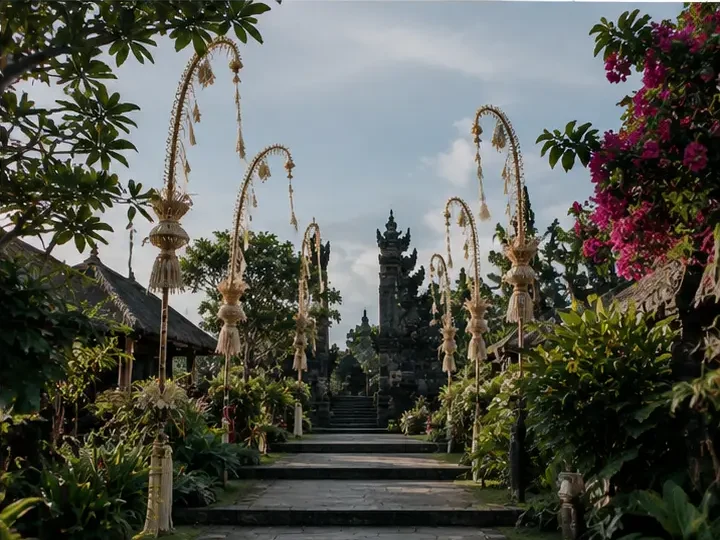
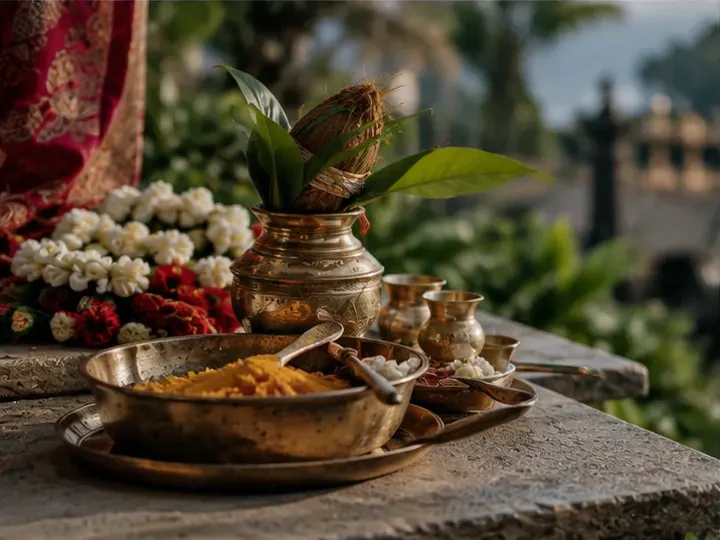
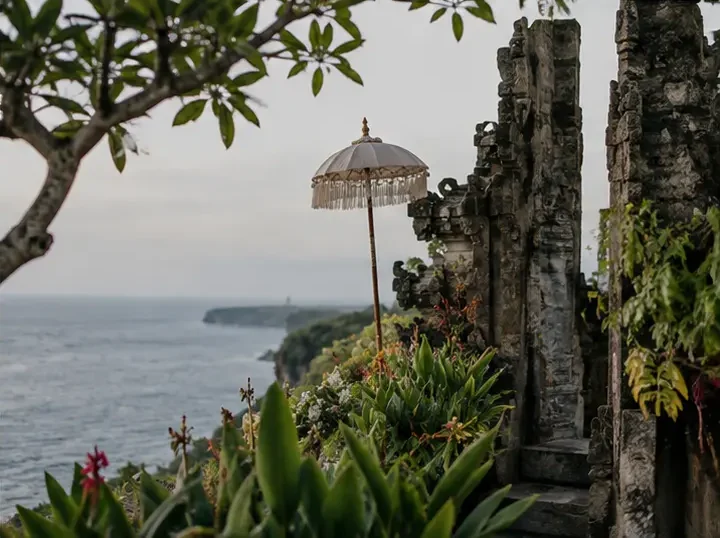
An Indian wedding Bali plans looks different from one held in a hometown banquet hall, and not only because of the scenery. A Western wedding in Bali is often wrapped up in a single day, while an Indian wedding typically runs across three days of distinct ceremonies. Multi-day celebrations, open-air ceremonies, and a guest list that often travels internationally all change how the event gets built. Every decision, from seating to catering, has to account for guests arriving across time zones. Balinese hospitality, known for warmth and ceremony of its own, tends to complement Indian traditions rather than compete with them.
Ceremonies of an Indian Wedding Bali
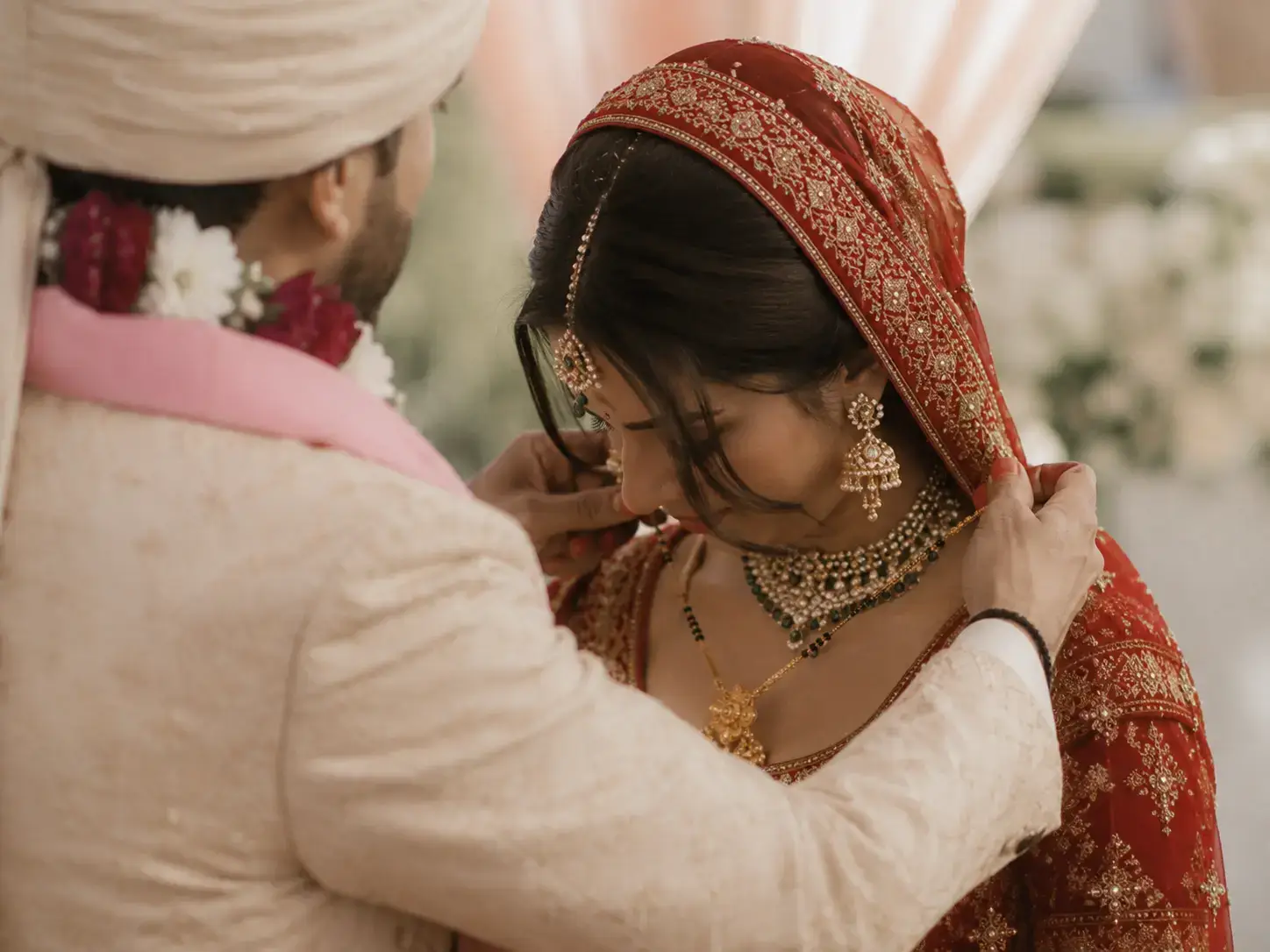
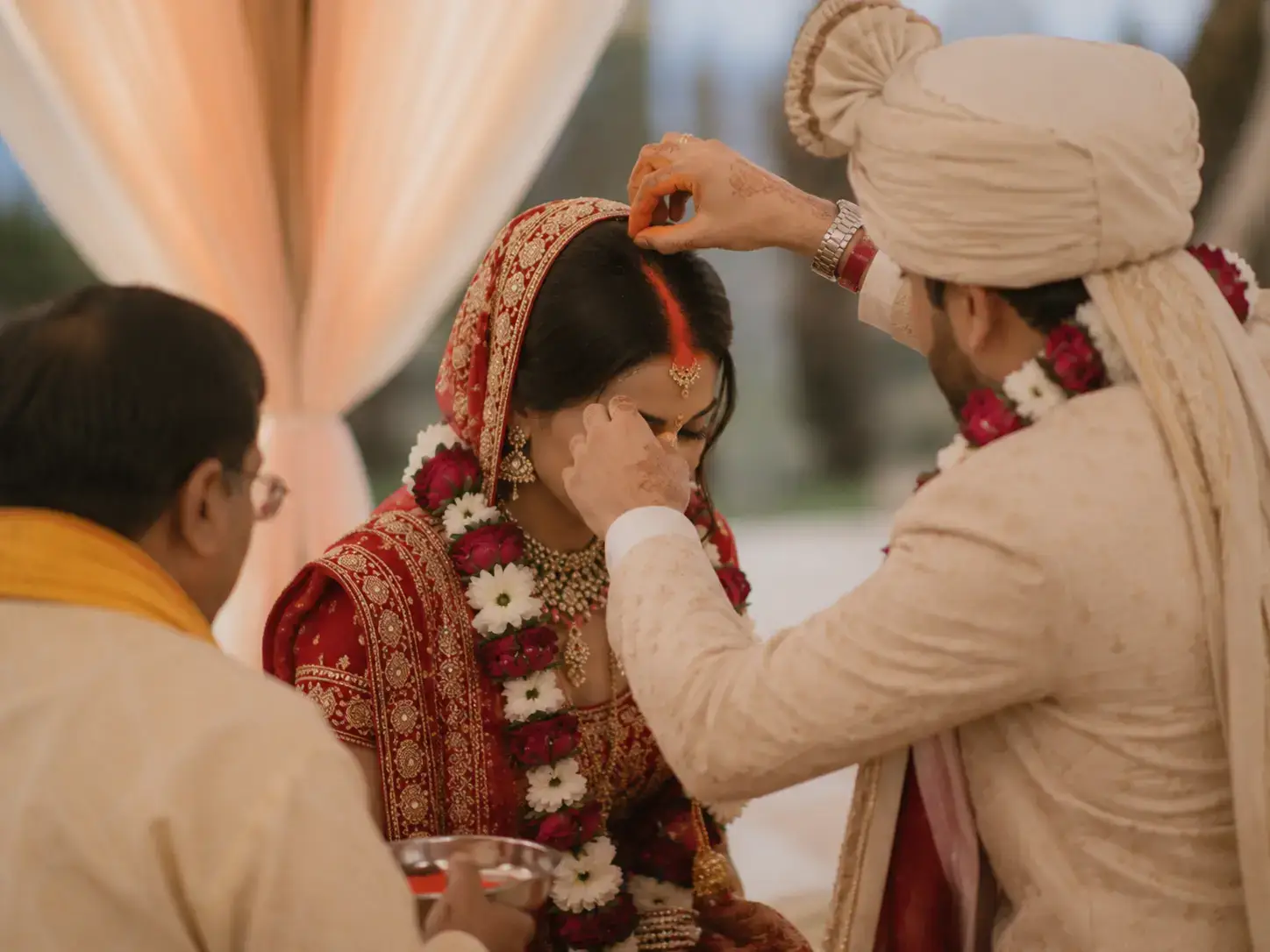
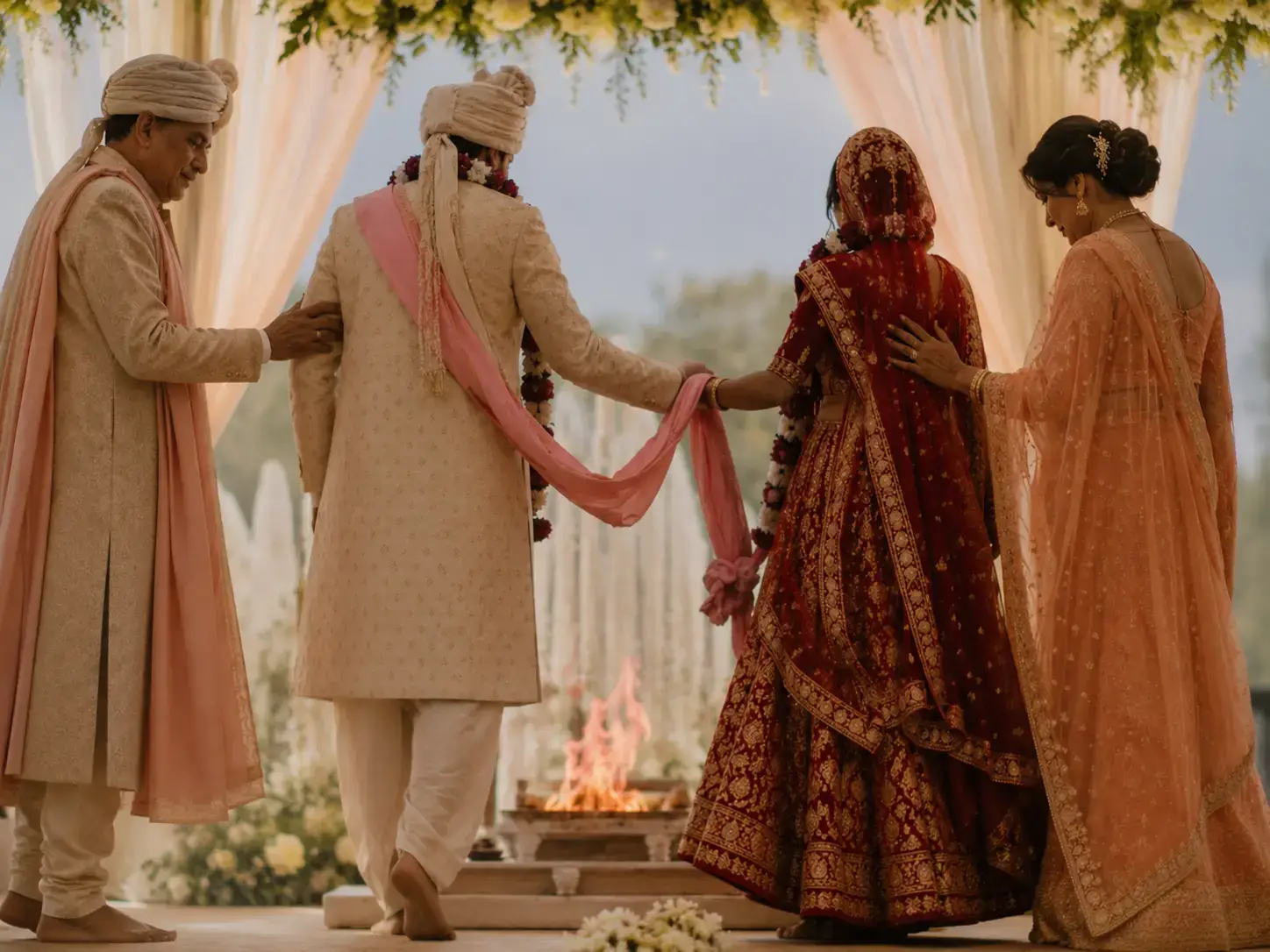
Most Indian weddings unfold across several distinct ceremonies rather than a single event. Each one carries its own mood, guest list, and purpose. That variety is part of what makes planning them in one location, across a matter of days, such a coordinated effort.
Pre-Wedding Celebrations and Rituals
Mehndi and Haldi usually open the celebration on a lighter, more intimate note. Mehndi brings intricate henna designs to the bride’s hands and feet, often accompanied by music and close family. Haldi follows with a turmeric paste applied to the couple for good luck. Many families treat it as one of the most joyful moments of the entire week. Sangeet, a night of music and dance from both families, often closes out this early stretch before the more formal events begin.
The Main Ceremony and Vows
The core ceremony varies by faith, though the emotional weight stays consistent across traditions. A Hindu wedding typically centers on the Saptapadi, seven vows taken around a sacred fire. It usually follows a groom’s Baraat procession that arrives with music and dancing. A Muslim wedding instead centers on the Nikah, a contract-based ceremony often followed by a Walima reception. Christian Indian weddings usually follow a church-style structure, with vows, a blessing, and a traditional processional format.
Post-Wedding Traditions
Vidai closes the formal ceremonies with the bride’s farewell to her family. Many guests describe it as the most emotional part of the entire wedding. Receptions typically follow within a day or two, shifting the tone from ritual to celebration with dinner, dancing, and speeches. Some families also add a smaller farewell gathering the next morning, giving guests one last relaxed moment together before departures begin.
Hindu, Muslim, and Christian Weddings in Bali
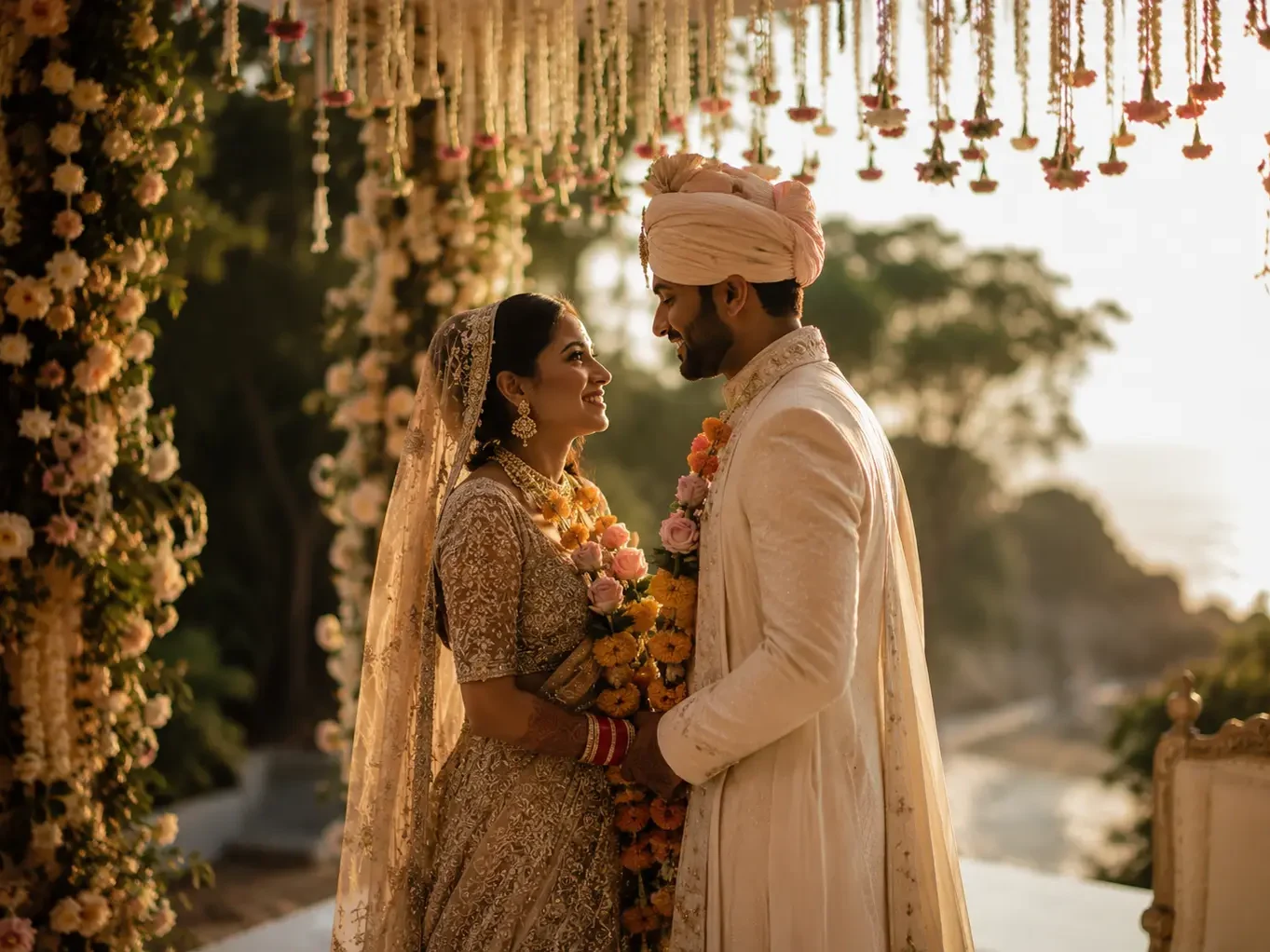
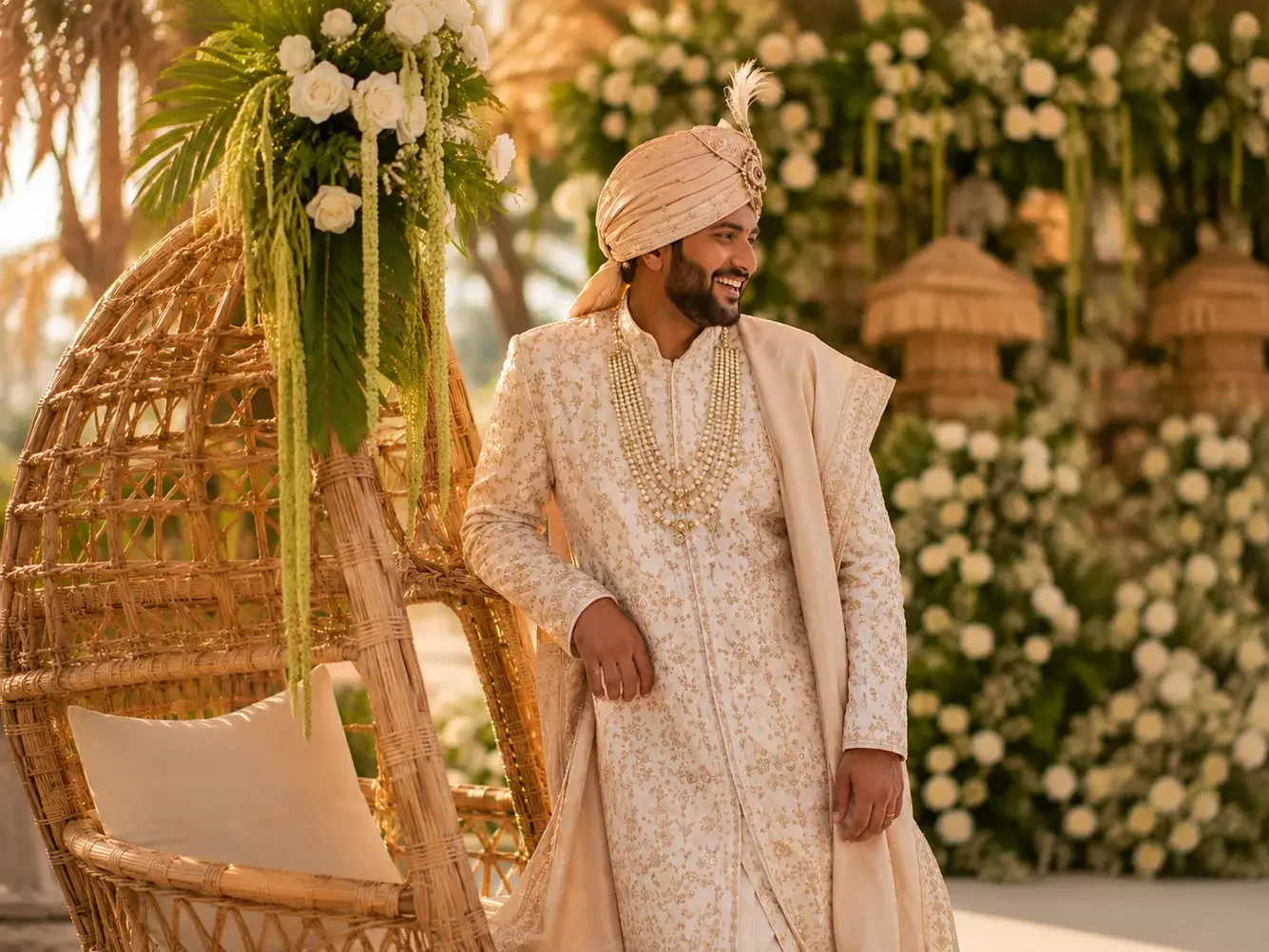

Not every Indian wedding follows the same religious path, and treating them as identical misses what actually matters to each family. A Hindu ceremony calls for a priest, sacred fire setup, and specific ritual materials. A Muslim wedding needs a qualified qadhi or maulvi and halal catering throughout the event. Christian Indian weddings often require a licensed minister and a chapel-style setup that still makes room for Indian cultural elements. Planning an Indian wedding Bali families feel proud of means understanding these differences well before the first vendor gets booked.
Planning an Indian Wedding Bali Step by Step
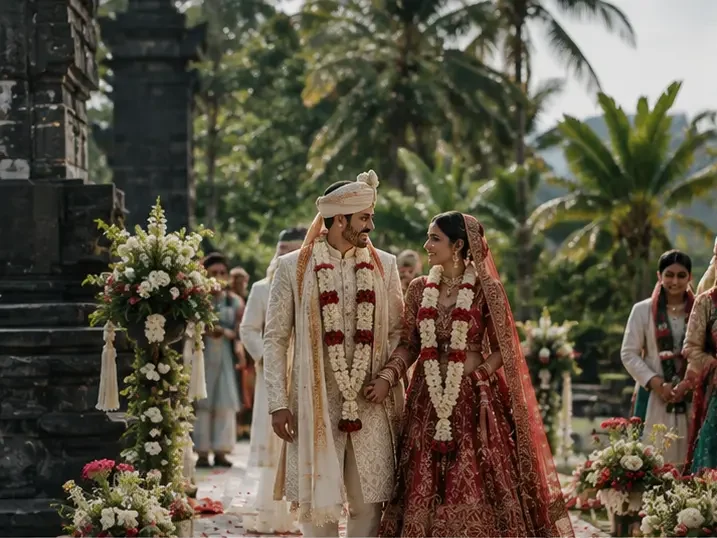
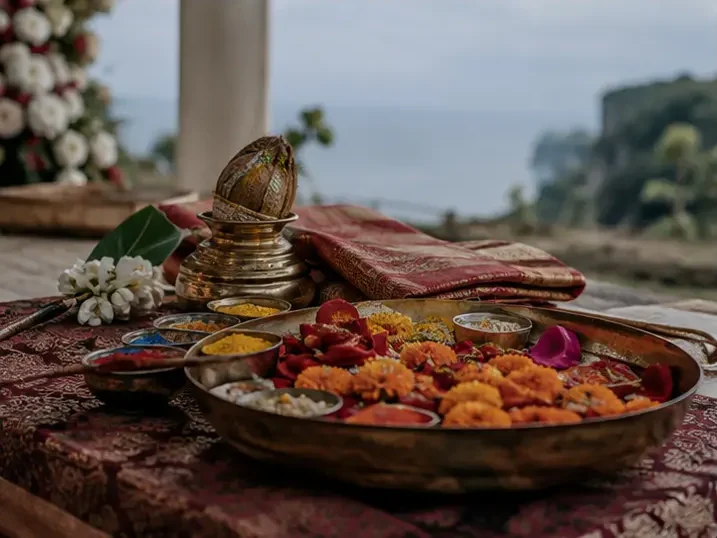
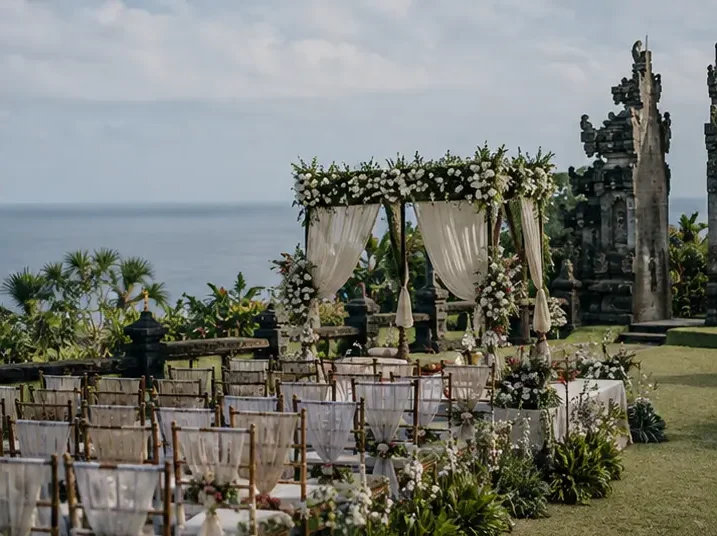
Multi-day celebrations involve more moving parts than a single-day wedding ever would. Most families need at least six months to plan properly. That window often stretches longer once several ceremonies and international guests enter the picture.
Bali’s rainy season usually falls in the last few months of the year, from around September through December. Site visits and venue walkthroughs can get delayed during those months for couples flying in to plan. Indian weddings in Bali are built around outdoor venues rather than an indoor backup. Because of that, most families end up scheduling their wedding around the middle of the year, when the weather holds steadier.
Venue selection has to account for several ceremonies, sometimes across different locations. Guest accommodation, transportation, and catering all need to scale with a guest list that can run into the hundreds. Timelines also matter more here than in a typical wedding, since one delayed ceremony can push back everything scheduled after it.
- Choosing a venue that can host multiple ceremony types across several days
- Coordinating accommodation and transport for guests arriving from abroad
- Booking catering that reflects each family’s dietary and cultural needs
- Building a day-by-day schedule that leaves room for rest between events
For a closer look at how that process actually comes together, our guide to what an Indian wedding planner in Bali actually handles walks through it step by step.
Why Couples Choose a Bali-Based Wedding Team
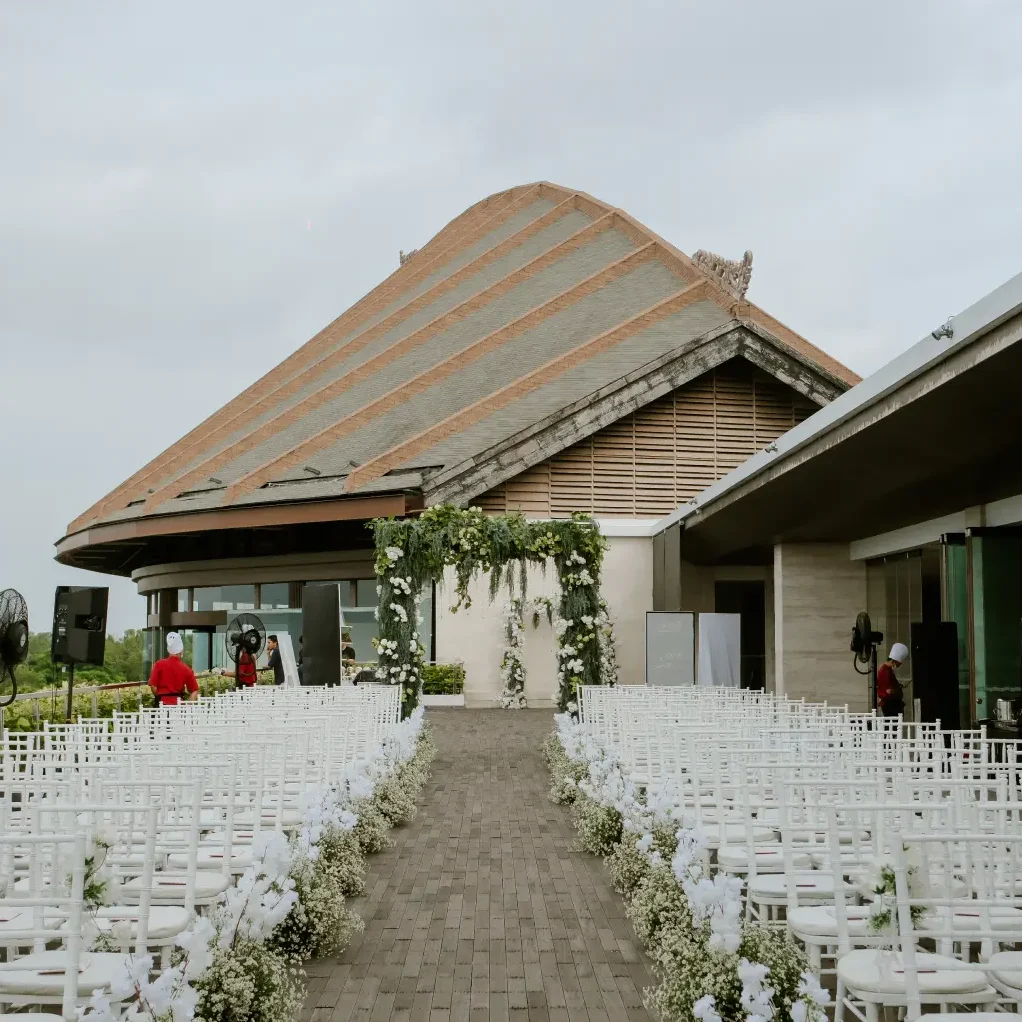
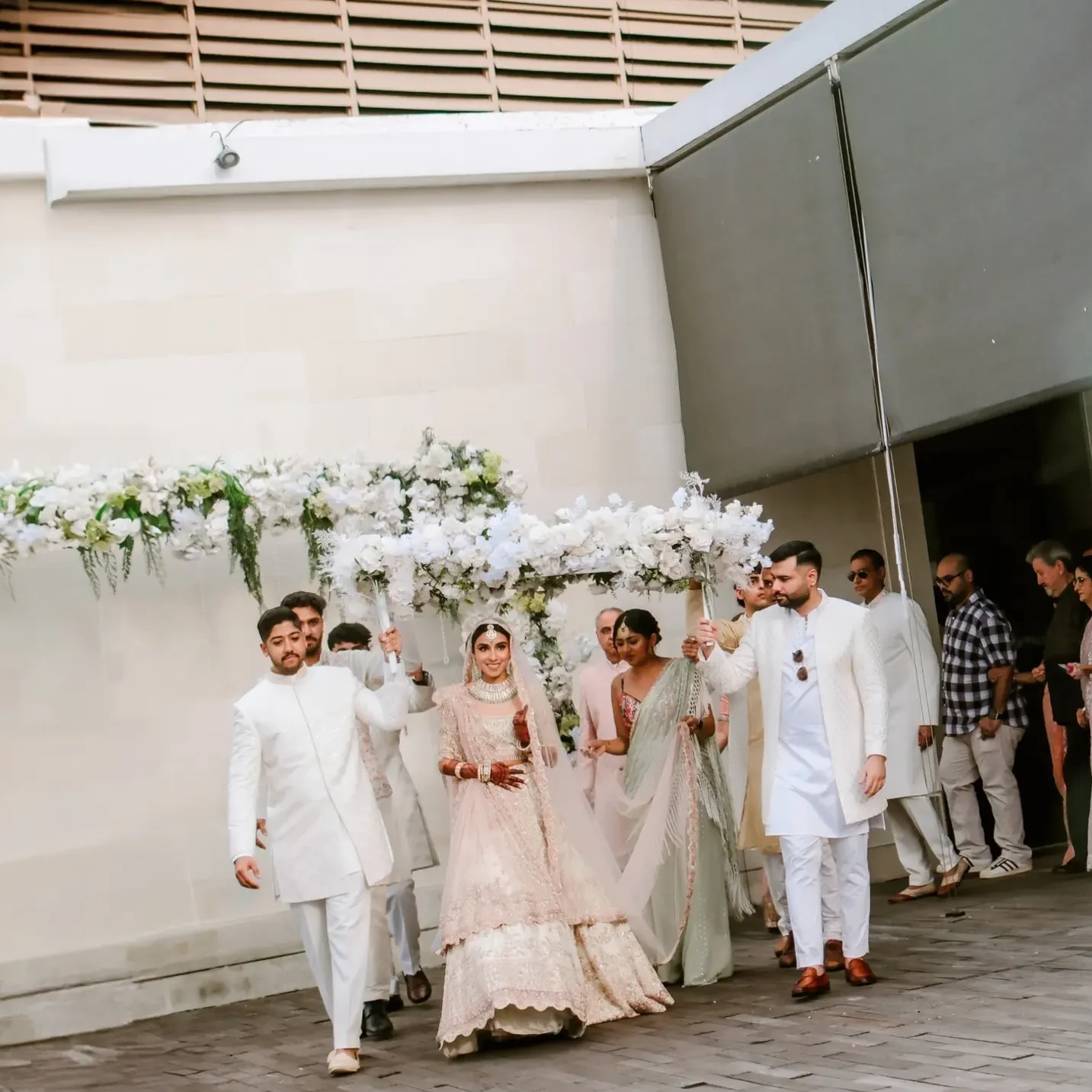
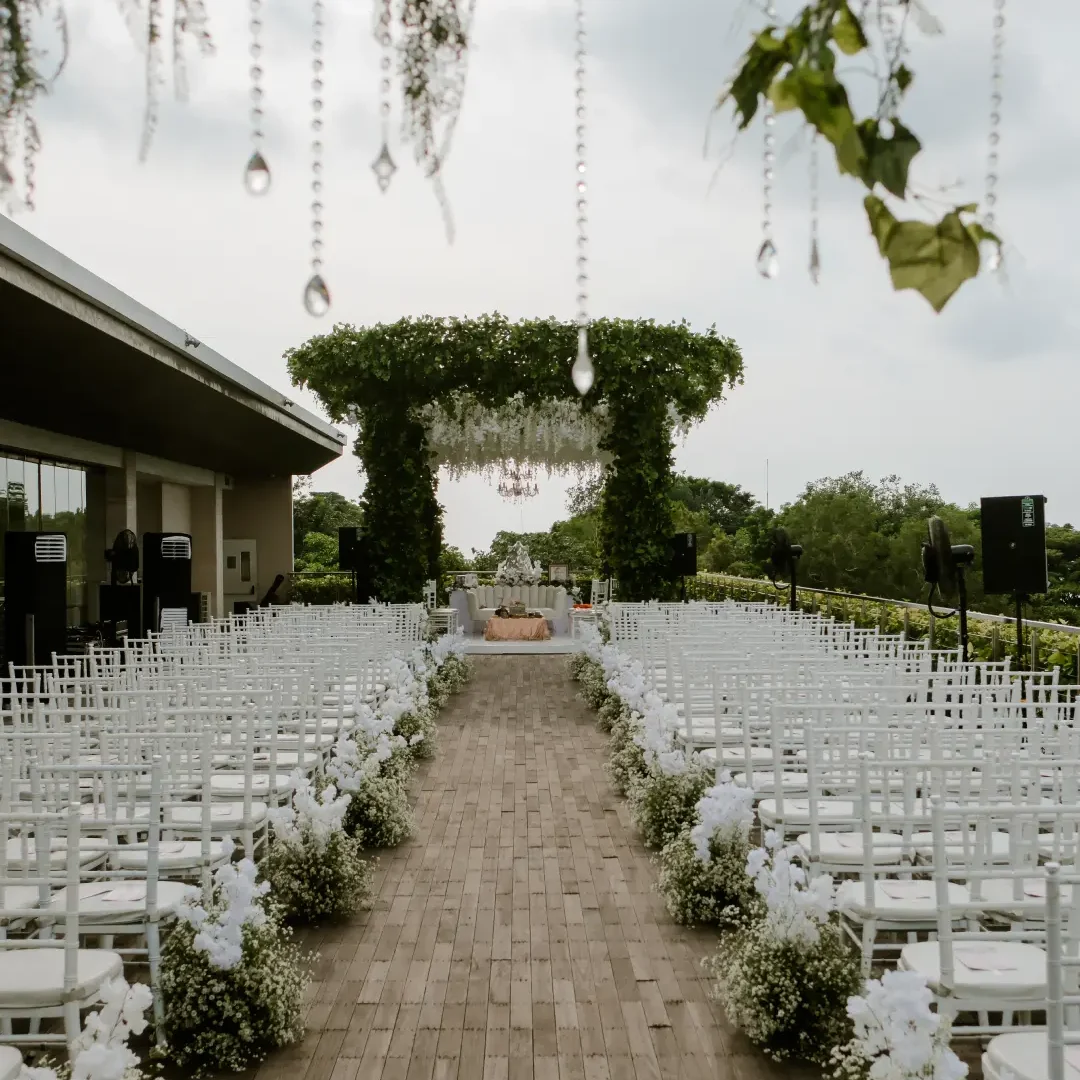
Planning a multi-day wedding from another country adds a layer of difficulty that a local team removes almost entirely. A planner based in Bali already knows which venues can handle a Baraat procession and which caterers can prepare halal or vegetarian menus at scale. That local knowledge extends to weather patterns, seasonal pricing, and timing that shifts through the year. Local presence also means someone is physically on-site when last-minute changes come up, rather than managing everything through calls across time zones. Many families say this is the difference between a wedding that feels planned and one that feels genuinely cared for.
Curious what that looks like in practice? Here’s why couples choose a Bali-based wedding team for their celebration.
Start Planning Your Indian Wedding Bali
An Indian wedding Bali celebration takes its shape from hundreds of small decisions made well before the first guest arrives. Rituals, venues, timelines, and family traditions all need to work together rather than compete for attention. Getting that balance right is easier with a team that has done it before. Our wedding planner services in Bali page covers the full scope of that support in detail.
Ready to take the next step? Here’s how to reach us:
- Send The Grand Plan EO a message to talk through your date and vision
- Browse our Instagram at @grandplan_bali for real Indian weddings we’ve brought to life in Bali
- Come by our Bali office at
No two Indian weddings look exactly alike, and that is exactly how it should be. Bali just gives every version of that story a beautiful place to unfold.